Parents and educators are discovering that a well‑designed visual schedule can turn daily turbulence into a predictable, soothing routine, empowering children—especially those with ADHD, autism, or executive‑function challenges—to navigate school, therapy, and home life with confidence.
Why do visual schedules matter for children’s daily success?
Visual schedules translate abstract time concepts into concrete symbols that children can see, touch, and anticipate. When a child knows that “Snack” follows “Reading” and precedes “Outdoor Play,” the brain can allocate attention more efficiently, reducing anxiety and meltdowns. Studies in early‑childhood development consistently show that clear visual cues improve task initiation, independence, and emotional regulation.
How can you start building a schedule from scratch?
- Identify the core activities. List the essential events for a typical day—morning routine, classroom tasks, therapy sessions, meals, and bedtime rituals.
- Choose a visual language. Use icons, photos, or simple drawings that match the child’s age and preferences. Free online libraries (e.g., Boardmaker, Canva) provide printable symbols.
- Decide on a format. Options include laminated cards on a Velcro board, a magnetic fridge calendar, or a digital app on a tablet. Each format can be rearranged as the child’s routine evolves.
- Sequence the steps. Arrange the icons in chronological order, leaving space for optional or “choice” activities that give the child agency.
- Test and tweak. Run through the schedule with the child, noting any confusion or disengagement, then adjust symbols or order accordingly.
What tools make customization quick and sustainable?
Teachers often rely on reusable systems: a dry‑erase board with magnetic symbols, a pocket‑chart that slides on a binder, or a printable template that can be photocopied weekly. For home use, a simple three‑ring binder with clear sleeves holds weekly sheets; Velcro strips let parents swap activities without glue. Digital platforms such as Choiceworks or First Then Visual Schedule let families update schedules on the fly and sync across devices.
How can you ensure the schedule supports both structure and flexibility?
Children thrive on predictability, yet life rarely stays static. Include “flex slots”—blank spaces labeled “Free Time” or “Special Activity”—so unexpected events fit without derailing the whole day. Color‑code sections (e.g., blue for school, green for home, orange for therapy) to help the child quickly locate the relevant part of the schedule. Periodically review the board with the child, celebrating successes and inviting suggestions for new symbols.
What are the long‑term benefits of a custom visual schedule?
- Improved self‑advocacy. Children learn to read the schedule, anticipate transitions, and request assistance when needed.
- Reduced behavioral incidents. Predictable routines lower the incidence of frustration‑triggered outbursts.
- Enhanced independence. As familiarity grows, children can follow the schedule with minimal adult prompting.
- Data for professionals. Therapists and teachers can track which activities consistently cause difficulty and adjust interventions.
Where can families find inspiration and community support?
Online forums such as Reddit’s r/autismparents, Facebook groups focused on visual supports, and local special‑education conferences often share printable templates and success stories. Libraries and occupational therapy clinics frequently stock ready‑made visual schedule kits that can be customized with personal photos.
What next steps should a curious beginner take?
Begin with a single “morning routine” board: gather three to five icons (wake‑up, brush teeth, get dressed, eat breakfast, leave for school). Laminate or place them on a magnet board, walk the child through each step, and celebrate completion with a high‑five or a sticker. Once the habit sticks, expand to the full day, integrating feedback at each stage. Within weeks, the once‑chaotic morning may transform into a calm, confident launchpad for the entire day.
Bundesweit Das 1000.Boule Sportabzeichen Ging Nach NRW – Www.boule.nrw

Bundesweit das 1000.Boule Sportabzeichen ging nach NRW – www.boule.nrw
Bundesweit Das 1000.Boule Sportabzeichen Ging Nach NRW – Www.boule.nrw

Bundesweit das 1000.Boule Sportabzeichen ging nach NRW – www.boule.nrw
Cup-nrw - GaLaBau
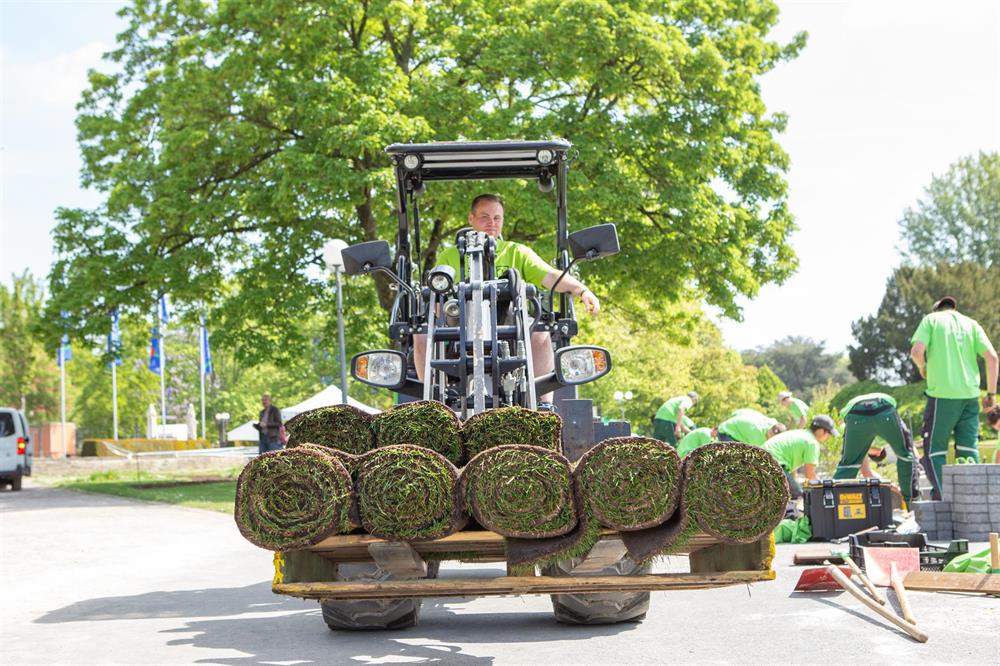
cup-nrw - GaLaBau
Cup-nrw - GaLaBau

cup-nrw - GaLaBau
Wie Sieht Die Gründungslandschaft In NRW Im Jahr 2022 Aus? | Statistik.NRW
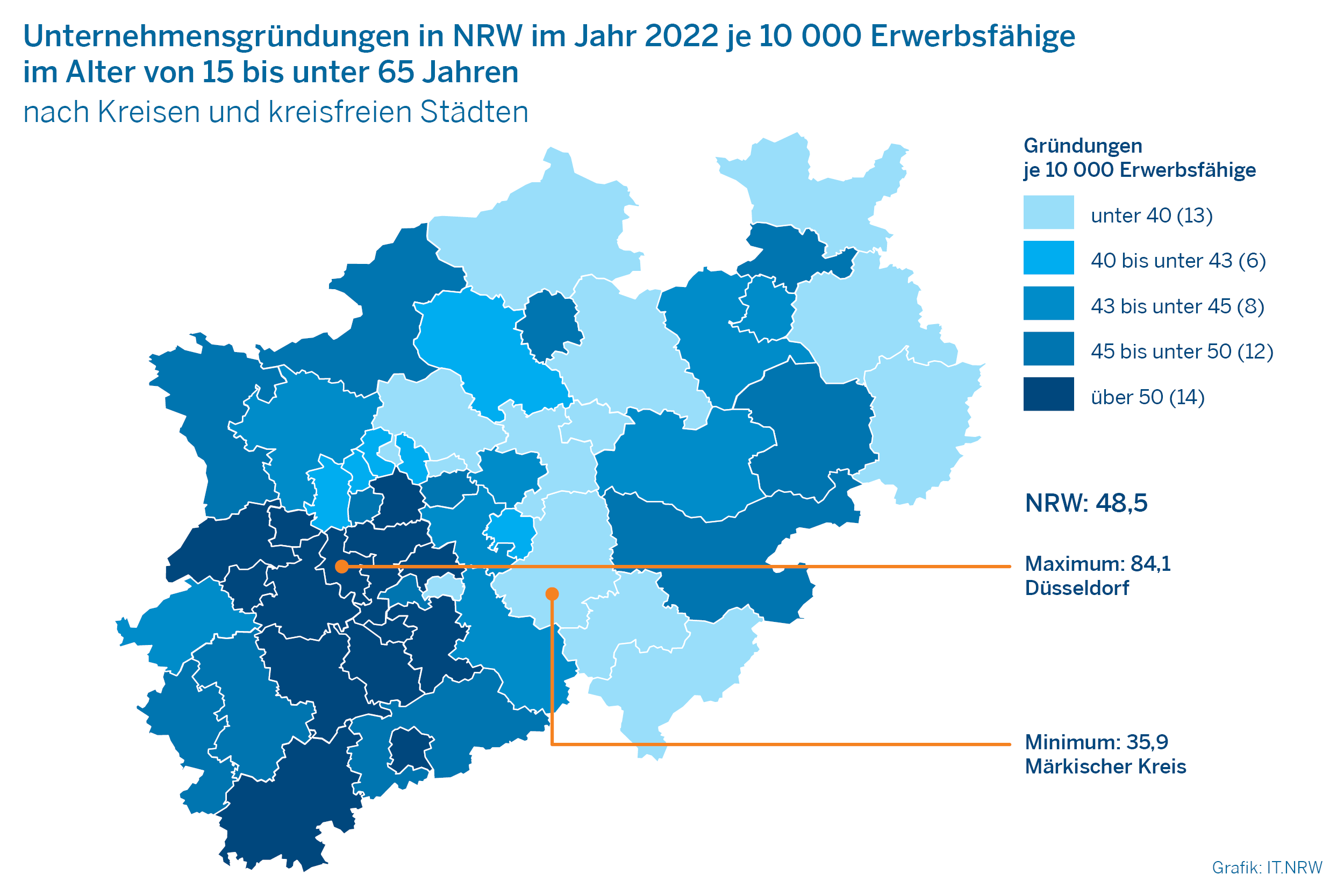
Wie sieht die Gründungslandschaft in NRW im Jahr 2022 aus? | Statistik.NRW