Parents across the United States are turning to printable potty training charts as a low‑cost, visual cue that speeds up bathroom independence while keeping the experience playful. By pairing clear milestones with instant rewards, these charts translate abstract expectations into concrete steps, reducing accidents and boosting confidence for children as young as two.
Why a Visual Chart Beats Verbal Reminders Alone
Young children process information best when it’s tangible. A printed chart placed at eye level turns the abstract idea of “go to the potty” into a sequence they can see, touch, and track. Compared with purely verbal prompts, charts provide:
- Immediate feedback – a star or sticker appears the moment the child succeeds, reinforcing the behavior.
- Consistency across caregivers – babysitters, grandparents, and teachers all follow the same visual plan.
- Motivation through gamification – progress bars and reward zones turn learning into a game.
Scenario‑Based Choices: Which Chart Fits Your Family?
1. The “First‑Step” Toddler Who Needs Simple Cues
If your child is just beginning to recognize the urge to go, a basic 5‑step chart works best. Each step—“Notice the feeling,” “Tell an adult,” “Sit on the potty,” “Try to pee/poop,” “Wash hands”—is illustrated with a simple icon. Parents can hand‑stamp a checkmark after each successful step. The minimal design keeps the focus on the routine rather than on a points system.
2. The Reluctant Preschooler Who Craves Rewards
For kids who respond to incentives, a reward‑based chart with a colored progress bar is ideal. Every completed potty visit earns a sticker; after ten stickers, the child chooses a small prize (extra bedtime story, a sticker pack, etc.). This structure mirrors popular classroom reward charts, making the transition feel familiar.
3. The Multi‑Caregiver Household
When several adults share responsibility, a laminated chart with reusable dry‑erase markers prevents confusion. Caregivers can easily update the chart, and the durability of lamination stands up to repeated handling. A shared “family goal”—such as a weekend outing after 30 successful trips— aligns everyone’s effort.
Comparing Free Templates, Paid Designs, and DIY Options
| Option | Cost | Customization | Ease of Use |
|---|---|---|---|
| Free online templates | $0 | Limited fonts & colors | Download‑print in minutes |
| Premium designs (e.g., Etsy) | $3‑$8 | Professional graphics, multiple layouts | Print‑ready PDF, often includes stickers |
| DIY hand‑drawn | $0‑$2 (paper, markers) | Fully personalized icons | Time‑intensive, but highly engaging for parents |
For most families, a free template offers enough structure to start quickly, while premium designs add aesthetic polish that can increase a child’s excitement. DIY charts shine when parents want to incorporate personal photos or themed illustrations (e.g., dinosaurs or space rockets).
Practical Tips for Making the Most of Your Chart
- Print on thick cardstock. A sturdier paper resists tearing when little hands reach for stickers.
- Laminating pays off. A simple self‑adhesive lamination sheet turns the chart into a reusable surface for dry‑erase markers.
- Choose stickers wisely. Small, non‑toxic stickers with bright colors hold attention without being a choking hazard.
- Place the chart at the child’s eye level. A bathroom door or a low shelf ensures the child notices it before each attempt.
- Integrate with a digital log. A quick photo of the completed chart can be saved in a parenting app, allowing remote caregivers to stay informed.
Long‑Term Impact: From Potty Charts to Independent Routines
Research on visual behavior charts suggests that children who use them not only master toilet use faster but also develop stronger self‑monitoring skills. The habit of checking off a completed task translates to other routines—brushing teeth, dressing, and even homework. Parents report that once the potty chart is retired, children often request similar tracking tools for new challenges, indicating a lasting boost in confidence.
Bottom Line for Trend‑Savvy Parents
Printable potty training charts combine affordability, adaptability, and proven behavioral science into a single tool that can accelerate bathroom independence. By selecting a chart that mirrors your child’s motivation style—whether simple steps, reward points, or collaborative family goals—and following a few practical setup tips, you can turn a daily chore into a celebrated milestone, all while keeping the process fast, easy, and fun.
How To Make A Sticky Piston In Minecraft
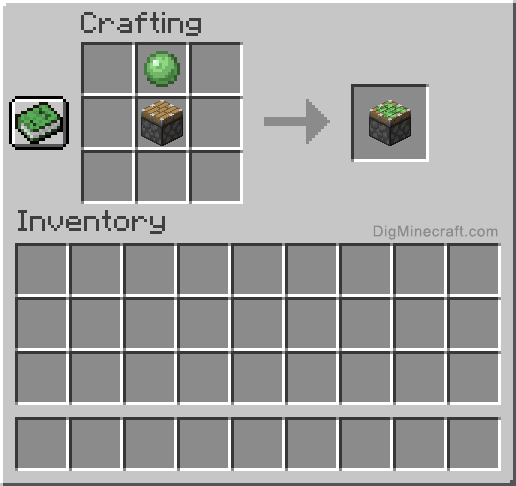
How to make a Sticky Piston in Minecraft