Businesses that collect independent‑contractor information often stumble over the W‑9, yet a streamlined approach can cut processing delays, avoid backup‑withholding penalties, and keep cash flow smooth. Recent IRS reminders emphasize that accurate, up‑to‑date forms are a simple safeguard, and a handful of disciplined steps now make compliance routine rather than reactive.
Why the W‑9 Matters for Every Payor
The W‑9 gathers the contractor’s legal name, taxpayer identification number (TIN), and certification that the information is correct. Without a valid form, the payer must withhold 24 % of the payment as backup withholding, a costly surprise for both parties. Moreover, the form feeds directly into the 1099‑NEC filing season; errors can trigger IRS notices, audits, and penalties that quickly add up.
Common Pitfalls That Slow Down Payments
- Outdated or misspelled names. A minor typo can cause the TIN mismatch that triggers backup withholding.
- Missing signatures. An unsigned form is invalid, forcing the payer to request a new copy.
- Using the wrong version. The 2020 redesign added a “Certification” box; older PDFs lack this field.
- Ignoring changes in contractor status. When a contractor changes from sole proprietor to LLC, the TIN type may shift.
Step‑by‑Step Best‑Practice Checklist
- Send a digital request. Email a fillable PDF with a clear subject line (e.g., “W‑9 Request – Action Required”).
- Verify the TIN instantly. Use the IRS TIN Matching API or a reputable third‑party service to confirm the number before payment.
- Require a dated electronic signature. Platforms like DocuSign record the timestamp, satisfying the certification clause.
- Store the form securely. Keep a scanned copy in a cloud folder with restricted access; label it “VendorName_W9_YYYYMMDD”.
- Set a renewal reminder. Flag forms that are older than three years and request updates proactively.
- Cross‑check against 1099‑NEC data. Before year‑end, run a report comparing W‑9 TINs to payment totals to catch mismatches early.
Technology Tools That Streamline Compliance
Automation isn’t optional for growing firms. An integrated vendor‑management system can auto‑populate fields, trigger TIN verification, and flag missing signatures. For example, many ERP solutions now embed the IRS TIN Matching API, turning a manual lookup into a single click. Meanwhile, secure e‑signature tools provide audit trails that satisfy both IRS and internal audit requirements.
What Happens If You Slip Up
If a payer fails to collect a valid W‑9, the IRS may assess a $50 penalty per incorrect or missing form, plus the 24 % backup‑withholding amount on each erroneous payment. Contractors, meanwhile, receive a 1099‑NEC that doesn’t match their records, leading to delayed refunds and extra tax‑preparation costs. The ripple effect can strain vendor relationships and tarnish a company’s reputation as a reliable partner.
Bottom‑Line Actions for Immediate Improvement
- Adopt a standard email template with a link to a fillable W‑9.
- Integrate real‑time TIN verification into your onboarding workflow.
- Schedule quarterly audits of stored W‑9s to catch outdated information.
- Train accounts‑payable staff on the backup‑withholding rule and the importance of signatures.
By treating the W‑9 as a living document rather than a one‑time form, businesses can keep payments flowing, avoid costly penalties, and maintain clean tax records—all without adding extra workload.
Collocations With TAKE | ELLA
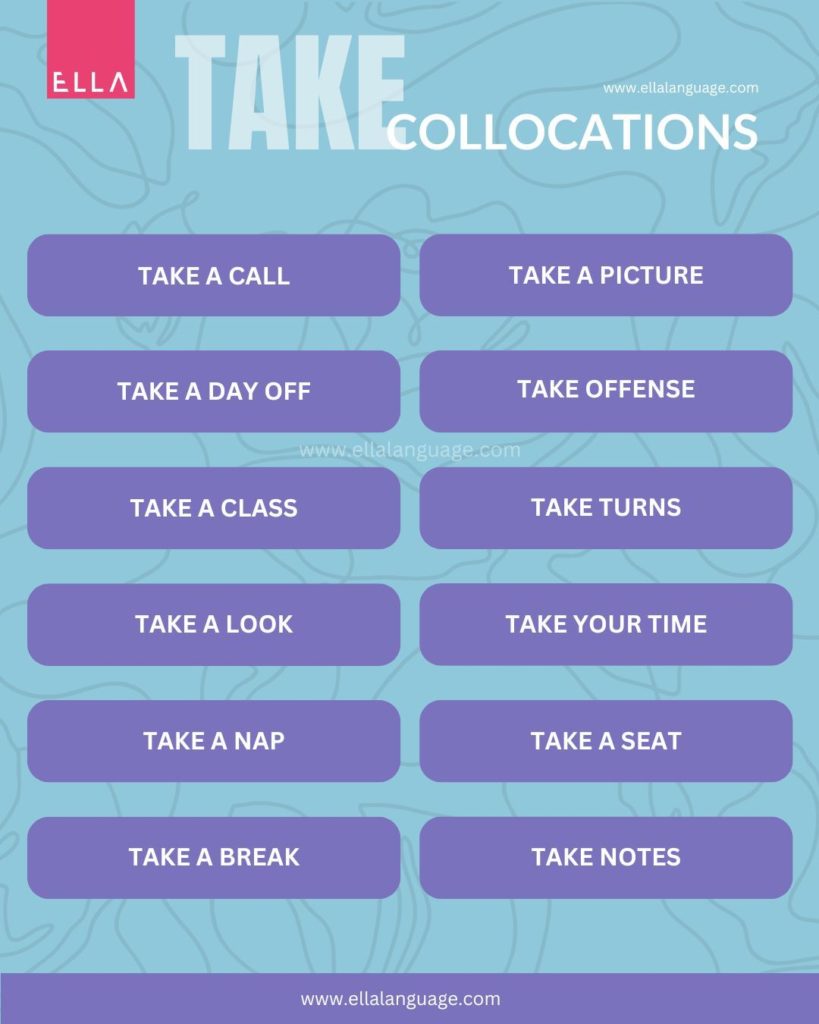
Collocations with TAKE | ELLA
Take Your Medication

Take Your Medication
Take Your Medication

Take Your Medication
Takeaway Food PNGs For Free Download

Takeaway Food PNGs for Free Download
Bring Take Get - Easy English Guide

Bring Take Get - Easy English Guide