Crafting a steady stream of free crosswords can turn a casual hobby into a community‑building asset, yet many hobbyists stumble at the planning stage, unsure which tools, themes, and distribution channels will keep their puzzles both fresh and accessible. This guide walks you through the essential steps—from concept to publication—so you can launch a reliable pipeline of quality crosswords without spending a dime.
Identify the Audience and Define the Puzzle Scope
The first hurdle is understanding who will actually solve your puzzles. Are you targeting elementary‑school teachers looking for classroom activities, senior‑center volunteers who enjoy low‑stress brain games, or commuters who appreciate bite‑size challenges on their phones? Pinpointing the audience shapes everything else: grid size, clue difficulty, and even the visual style of the final PDF. For example, a 15×15 grid with moderate vocabulary works well for a general adult audience, while a 9×9 format with simple wordplay suits younger solvers.
Select Free‑of‑Charge Design Tools
Several web‑based platforms let you build crosswords without a subscription. Crossword Hobbyist offers a drag‑and‑drop editor, and its free tier supports up to three puzzles per month. Puzzlemaker from Discovery Education provides a quick grid generator that exports to PDF or PNG. For more control, LaTeX’s crossword package is free and produces print‑ready files, though it requires a basic command‑line setup. Choose the tool that matches your technical comfort level and the volume you intend to produce.
Develop a Sustainable Content Calendar
Consistency beats occasional brilliance when building a following. Map out a quarterly calendar that balances themed weeks (e.g., “Holiday Vocabulary” in December) with evergreen content (classic word‑association clues). A simple spreadsheet can track: publication date, grid size, theme, and any special instructions for editors. By planning ahead, you avoid the last‑minute scramble that often leads to repetitive or low‑quality clues.
Write Clues That Engage Without Overwhelming
Effective clues walk a fine line between challenge and clarity. Start with a “core word” list—ideally 20–30 terms per puzzle—that reflects your theme. Then draft two clue styles for each word: a straightforward definition and a playful hint (e.g., “Café order, for short” for “espresso”). Test the clues on a friend or use an online crossword solver to ensure there are no unintended alternate answers. This double‑check reduces the risk of publishing a puzzle that frustrates solvers.
Automate Quality Checks
Before releasing a puzzle, run it through a free crossword validator such as Crossword Nexus or the open‑source crossword‑checker script on GitHub. These tools flag duplicate words, unchecked black‑square symmetry, and clue length mismatches. Automating this step saves hours of manual proofing, especially when you aim to publish multiple puzzles per week.
Choose Distribution Channels That Maximize Reach
Once a puzzle passes validation, decide where to host it. Email newsletters remain a reliable delivery method for local clubs and school districts; platforms like Mailchimp let you embed PDFs directly in the message. For broader exposure, post the puzzle on free puzzle‑sharing sites such as Puzzling Stack Exchange (in the “crossword” tag) or upload to a community Google Drive folder with public sharing enabled. Social media snippets—an image of the completed grid with a “solve today!” caption—can drive traffic to the full file.
Gather Feedback and Iterate
After each release, solicit short feedback via a Google Form or a comment box on your hosting page. Track metrics like “average time to solve” and “number of return solvers.” If a particular clue set receives low scores, revisit that theme in the next cycle. Continuous improvement ensures the puzzle series remains relevant and enjoyable, turning occasional solvers into a loyal audience.
Monetize Indirectly While Keeping the Core Free
Even when the crosswords themselves are free, you can generate modest revenue to cover hosting costs. Offer a premium “print‑ready” version with custom branding for local businesses, or partner with a small café that prints the puzzle on napkins in exchange for a mention in the clue list. Because the core product stays free, the community perception stays positive while you secure a sustainable model.
Legal and Ethical Considerations
Make sure every word in your puzzle is in the public domain or falls under fair use for educational purposes. Avoid copyrighted phrases or trademarked brand names in clues unless you have permission. Including a brief disclaimer—“All clues are original or public domain”—protects you from inadvertent infringement and reinforces the integrity of your free offering.
Next Steps for the Aspiring Crossword Curator
- Sketch a target‑audience profile and decide on grid dimensions.
- Pick a free design tool and create a test puzzle.
- Set up a quarterly content calendar with themed and evergreen weeks.
- Write dual‑style clues, validate with an online checker, and publish via email or a puzzle‑sharing site.
- Collect solver feedback, adjust your process, and explore modest sponsorships.
By following this step‑by‑step pathway, you can turn a solitary pastime into a reliable stream of free crosswords that enriches your community, sharpens minds, and even supports modest operating costs—all without a single dollar outlay.
The Best Psychological Thriller Shows On Netflix Right Now (January 2025)

The Best Psychological Thriller Shows on Netflix Right Now (January 2025)
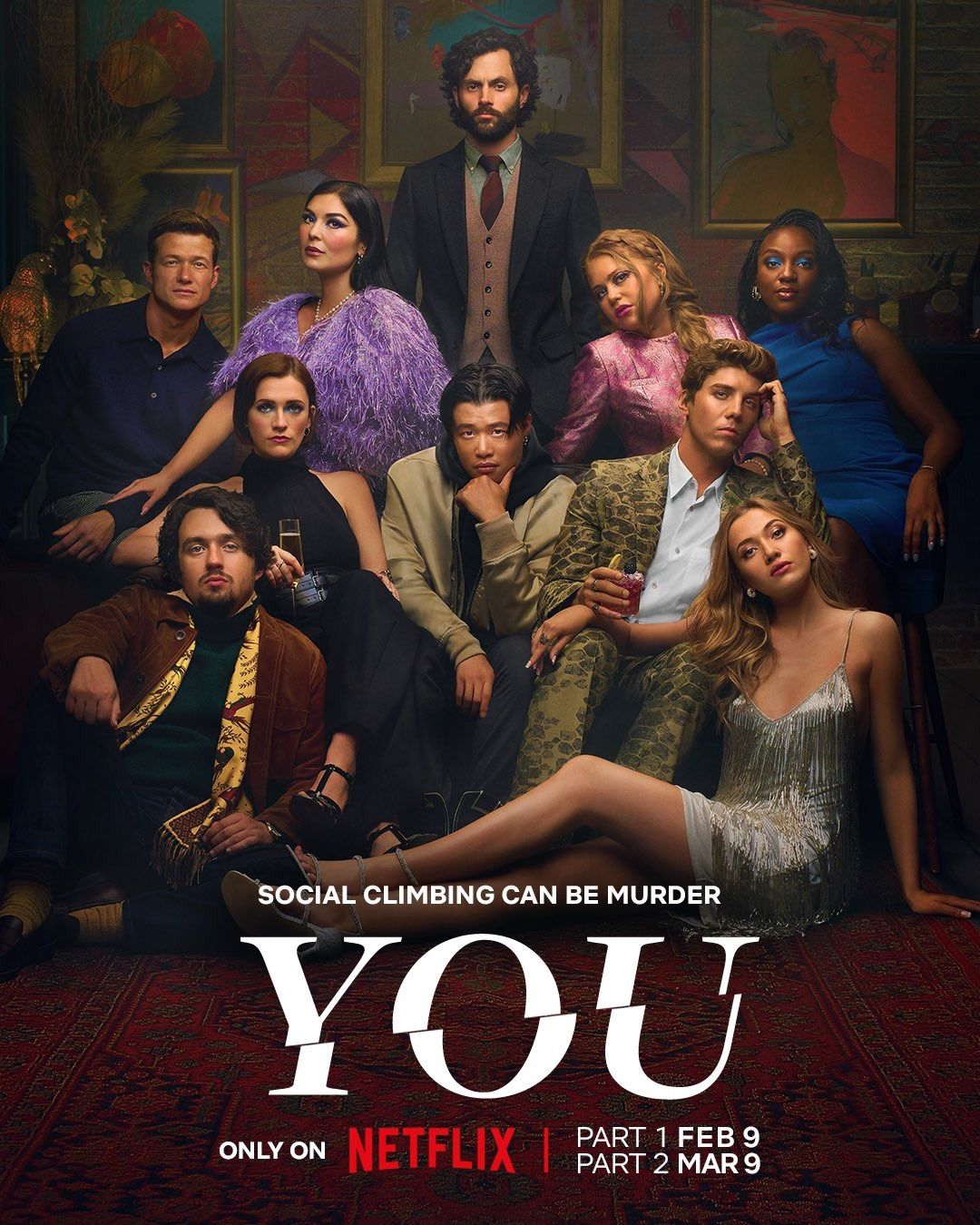
You Series Poster | You Tv Show Poster, Movie Posters Minimalist

You series poster | You tv show poster, Movie posters minimalist ...
Psychological Thriller Television Series YOU Returns On December 26

Psychological Thriller Television Series YOU Returns on December 26 ...
You (2018) (Series) - TV Tropes

You (2018) (Series) - TV Tropes
The 15 Best Psychological Thriller TV Shows, Ranked
The 15 Best Psychological Thriller TV Shows, Ranked