Understanding the symbols woven into a natal chart can feel like decoding a personal secret code; each planet, sign, and aspect carries a specific meaning that, when interpreted correctly, offers actionable insight into habits, relationships, and life direction. For curious beginners, the key is to move past vague descriptions and learn how to apply these symbols to everyday decisions.
Why Do the Symbols Matter? – From Theory to Practical Change
The symbolism in a natal chart is not decorative—it mirrors the psychological patterns that drive behavior. For instance, a strong Mars in Capricorn often signals disciplined ambition, while a Moon in Pisces may hint at emotional sensitivity. Recognizing these patterns helps you pinpoint why you repeat certain habits and where you can intervene.

When you see a planet placed in a “challenging” house (the 6th or 12th, for example), the chart is essentially flagging an area where you’re likely to encounter friction. That friction is a clue, not a curse—use it to design a targeted improvement plan.
How Can You Translate Symbolism Into an Actionable “Do‑Not‑Want‑To‑Do” List?
One effective method is to convert the chart’s warnings into a concrete list of behaviors you want to avoid. This mirrors the popular “Do Not Want To Do” mindset used in productivity circles, turning abstract astrological warnings into tangible goals.
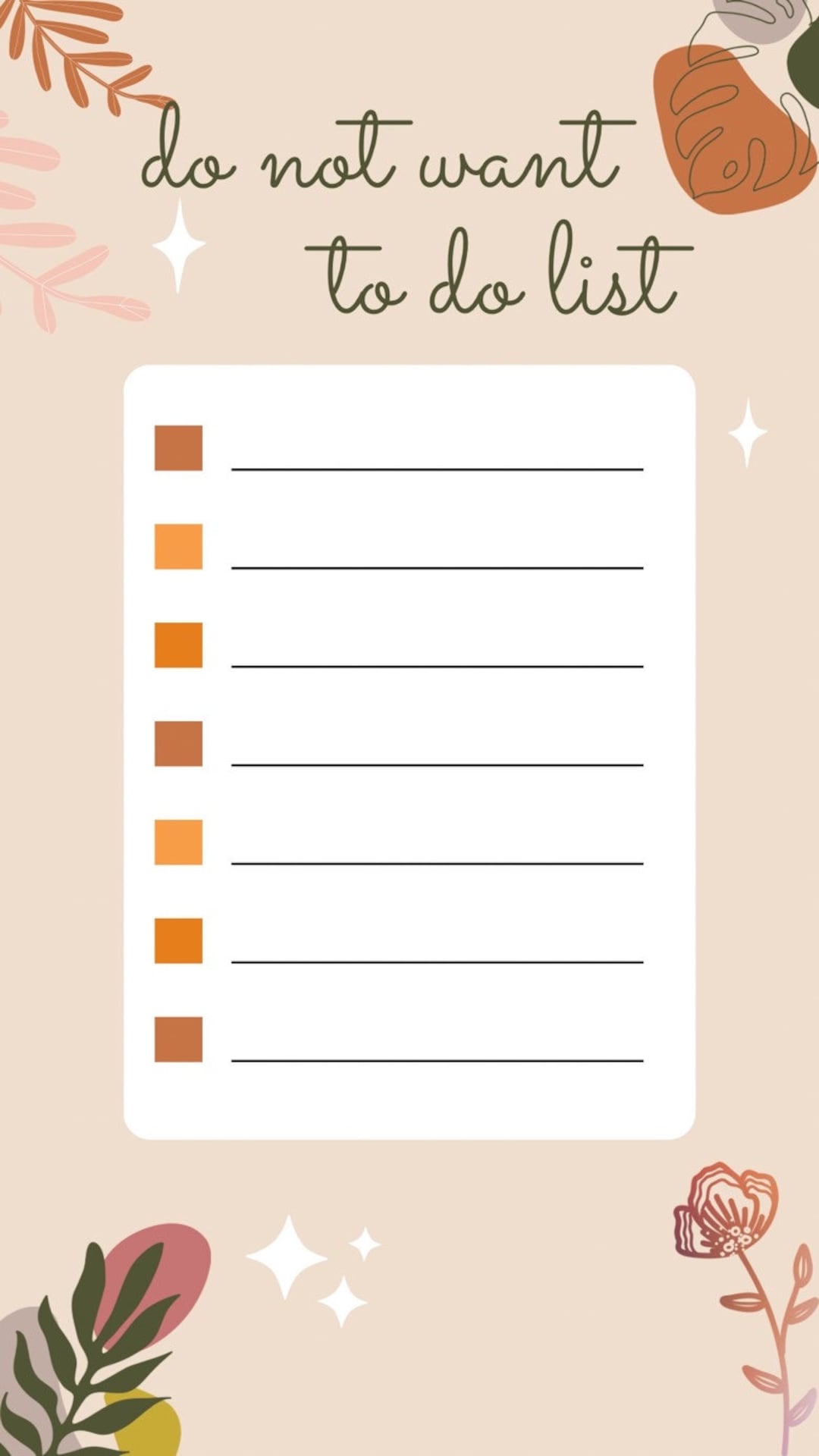
Step 1: Identify the problematic placements. Look for squares, oppositions, or retrogrades that involve personal planets (Sun, Moon, Mercury, Venus, Mars). Note the houses they occupy.
Step 2: Translate each aspect into a habit. A Mercury‑Neptune square might manifest as “over‑promising in conversations.” Write that exact phrase on your list.
Step 3: Pair each habit with a counter‑action. If “over‑promising” is the issue, the counter‑action could be “pause and verify before committing.”
By framing the chart’s symbolism as a “Do‑Not‑Want‑To‑Do” checklist, you transform mystical language into a practical self‑management tool.
Which Symbolic Themes Offer the Biggest ROI for Beginners?
- Sun sign & house: Reveals core identity and the life arena where you shine. Use this to choose careers or hobbies that feel naturally rewarding.
- Moon sign & house: Shows emotional triggers. Recognizing your Moon’s placement helps you develop coping strategies before stress spirals.
- Rising sign: Sets the first‑impression filter. Aligning your external presentation with your ascendant can improve networking outcomes.
- Saturn aspects: Highlight long‑term lessons. Treat Saturn’s “hard” signals as opportunities for disciplined growth rather than punishment.
What Are the Common Missteps When Interpreting Natal Symbolism?
New students often over‑generalize, assuming a single planet dictates an entire life area. The reality is that meaning emerges from the interaction of multiple factors. Avoid these pitfalls:
- Ignoring house context: A Venus in Aries in the 7th house influences relationships, while the same Venus in the 10th house affects career aesthetics.
- Relying on “best‑fit” descriptions: Instead of cherry‑picking traits that sound flattering, read the whole chart to see where contradictions arise.
- Skipping the transits: Current planetary movements can activate dormant symbolism, turning a dormant potential into a present‑day challenge.
How to Integrate Symbolic Insights Into Daily Routines
Turn abstract symbolism into habit‑stacking. If your chart shows Mercury in Virgo (detail‑oriented communication), schedule a 10‑minute “review before sending” ritual for every email. If Mars resides in the 5th house (creative drive), set aside a specific time each week for a hobby that lets you channel that energy.
Tracking progress is essential. Use a simple spreadsheet: column A for the chart symbol, column B for the associated habit, column C for the counter‑action, and column D for weekly check‑ins. Over a month, patterns will emerge, confirming which symbols truly resonate with your lived experience.
What’s the Bottom Line for the Curious Beginner?
The symbolism in your natal chart is a map, not a prophecy. By extracting the “do‑not‑want‑to‑do” signals, pairing them with concrete counter‑measures, and embedding those measures into everyday routines, you convert celestial language into measurable personal growth. The result is a self‑aware roadmap that guides decisions, improves relationships, and aligns daily actions with the deeper patterns already written in the stars.
Confucius Quote: “What You Do Not Want Done To Yourself, Do Not Do To
Confucius Quote: “What you do not want done to yourself, do not do to ...
Confucius Quote: “What You Do Not Want Done To Yourself, Do Not Do To
Confucius Quote: “What you do not want done to yourself, do not do to ...
Why Do I Do The Things I Dont Want To Do Verse

Why Do I Do The Things I Dont Want To Do Verse