Designers and hobbyists alike are discovering that creating professional‑grade felt ornaments is no longer a secret reserved for seasoned crafters. By focusing on material quality, tool selection, and efficient workflow, you can produce polished pieces that command higher prices while keeping production costs in check.
What core materials differentiate a hobbyist project from a professional felt ornament?
Choosing the right felt is the first decision that impacts durability, color fidelity, and finishing time. Wool‑blend felt offers a natural loft and resilience that synthetic alternatives often lack, making it ideal for ornaments that need to retain shape after handling. However, high‑grade synthetic felts, such as acrylic‑polyester blends, provide a consistent surface and are typically cheaper per square yard. For a value‑focused buyer, compare the cost per ounce against the expected wear: wool‑blend may cost 30‑40% more, but its superior drape reduces the need for additional shaping steps.
- Thickness matters: 2 mm felt is easy to cut but can appear floppy; 4 mm provides structural integrity without extra backing.
- Color fastness: Look for pre‑dyed felts with documented UV resistance if the ornaments will be displayed near windows.
- Source transparency: Suppliers that list fiber composition help you avoid hidden polyester that can melt under heat‑press tools.
How do hand‑stitched and machine‑stitched techniques compare for scalability?
Hand stitching with a needle and thread yields a bespoke feel, but the time investment scales poorly. A skilled artisan can complete a 4‑inch ornament in 15 minutes, whereas a programmable embroidery machine can finish the same piece in under five minutes, once the design is set up. The trade‑off lies in finish quality: hand‑stitched seams can be subtly varied for artistic effect, while machine‑stitched seams are uniform and less prone to human error.
For a small‑batch operation, a hybrid approach often works best: hand‑finish critical details (like decorative loops) and rely on a machine for repetitive stitching. This reduces labor costs by up to 40 % while preserving a handcrafted aesthetic.
Which tools provide the highest return on investment for a budding ornament studio?
Investing in a reliable cutting system pays dividends quickly. A rotary cutter paired with a self‑healing mat allows clean, repeatable cuts, cutting labor time by roughly half compared to scissors. For shaping, a hot‑press needleboard can fuse edges without the need for glue, increasing durability and eliminating messy adhesives.
- Cutting: Rotary cutter ($15‑$25) + mat ($10‑$20).
- Shaping: Needleboard heat press ($60‑$90) – versatile for both small charms and larger ornaments.
- Embellishment: Mini embroidery machine ($200‑$350) – ideal for adding logos or intricate patterns.
When budgeting, prioritize the cutter and needleboard first; these two tools alone can raise output quality enough to command a 15‑20 % price premium.
What pricing strategies align with the perceived value of professional felt ornaments?
Buyers often associate hand‑crafted felt pieces with artisanal value, so pricing should reflect both material cost and the story behind each item. A transparent cost breakdown—showing felt type, labor hours, and equipment depreciation—helps justify a $25‑$35 price point for a 3‑inch decorative ornament. Offering limited editions (e.g., seasonal colors or exclusive designs) creates scarcity, allowing a modest markup without alienating value‑sensitive customers.
How can you future‑proof your ornament line against market shifts?
Stay adaptable by sourcing felts from multiple suppliers and maintaining a modular design system. Using vector files for embroidery patterns means you can swap colors or sizes without redesigning from scratch. Additionally, consider offering customization options—personalized initials or color swaps—as add‑on services. These upsells typically add $5‑$8 per piece, boosting average order value while keeping production flow unchanged.
By balancing material choice, efficient stitching methods, and strategic tooling, you can unlock insider secrets that transform felt ornament creation from a pastime into a profitable, professional venture.
Lit Enfant 90x200 Cm, Blanc - Lit Enfant BUT
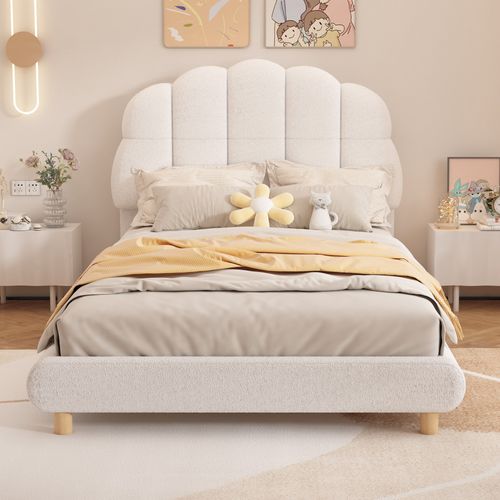
Lit Enfant 90x200 Cm, Blanc - Lit enfant BUT