Star chart reading—a practice that maps the night sky onto a personal narrative—has surged from obscure observatory tables to living‑room workshops across the United States. Modern hobbyists can now trace planetary positions with smartphone apps, yet the core discipline remains rooted in centuries‑old calculations, mythic symbolism, and a disciplined eye for the heavens. For anyone weighing a purchase—whether a premium atlas, a software suite, or a mentorship program—understanding the true benefits, hidden costs, and realistic outcomes is essential before committing.
What exactly is star chart reading and why does it still attract modern buyers?
At its heart, star chart reading translates the positions of the Sun, Moon, planets, and fixed stars at a specific moment into a visual map called a natal or transit chart. Historically, astrologers used these charts to advise on agriculture, navigation, and personal destiny. Today, the practice appeals to a value‑focused audience seeking self‑knowledge, creative inspiration, or a structured way to set goals. The resurgence is fueled by affordable digital tools that promise instant calculations, but the underlying skill—interpreting glyphs, aspects, and houses—still demands study.
How can a beginner start without overspending on equipment?
Most newcomers assume they need an expensive ephemeris, a leather‑bound atlas, or a high‑end telescope. In reality, a reliable free app (such as SkyView or Stellarium) provides accurate planetary coordinates, while a modest paperback guide (e.g., “The Only Way to Learn Astrology”) offers foundational theory for under $30. Investing in a single, well‑reviewed chart‑generation service—often a subscription of $10‑$15 per month—covers both calculations and basic interpretation. This approach lets learners test the waters before purchasing premium hardware or costly courses.
What are the genuine benefits versus the hype surrounding star chart reading?
Pros include a structured framework for reflecting on personal cycles, increased mindfulness about timing, and a creative language for storytelling. Many users report clearer decision‑making during planetary transits that align with their goals, such as launching a project during a favorable Mars‑Jupiter aspect. However, the hype can exaggerate predictive power; charts do not guarantee outcomes, and external factors (economics, health, chance) remain decisive. The real value lies in pattern recognition and self‑reflection, not in deterministic forecasting.
Which tools deliver the best value for someone looking to master the craft?
For most value‑focused buyers, a tiered approach works best:
- Software platform: A mid‑range service like Astro.com offers free chart generation, extensive interpretive texts, and a community forum—ideal for ongoing learning.
- Physical reference: A single, high‑quality sky map (e.g., the “Sky Atlas 2000”) provides a tactile reference that many find indispensable for deep study.
- Mentorship: One‑on‑one sessions with an experienced astrologer (often $50‑$100 per hour) can accelerate skill acquisition, especially when focused on chart synthesis rather than rote memorization.
Bundling these resources typically yields a lower per‑hour cost than purchasing each item separately.
What trade‑offs should a buyer expect when choosing between DIY learning and guided programs?
DIY routes—using free apps and self‑paced books—save money but require disciplined schedule management and may lead to misinterpretations without corrective feedback. Guided programs, whether online courses or in‑person workshops, cost more (often $200‑$500 for a comprehensive series) but provide structured curricula, peer interaction, and expert clarification. The trade‑off is essentially time versus money: the cheaper path demands longer self‑study, while the pricier path compresses learning into a shorter, more supported timeframe.
What realistic outcomes can a dedicated learner anticipate after six months of consistent practice?
With a commitment of 3‑4 hours per week, most students can progress from basic chart construction to interpreting major aspects and transits. By the six‑month mark, they typically can:
- Generate accurate natal and transit charts for themselves and close contacts.
- Explain the significance of the twelve houses and the planetary rulerships attached to them.
- Identify at least three recurring patterns in their personal cycles and use them for timing decisions (e.g., scheduling important meetings during a supportive Venus‑Mercury trine).
Beyond technical proficiency, the most consistent benefit reported is an increased sense of agency—readers feel better equipped to frame life events within a broader, symbolic context. Expectations of precise prediction should be tempered; mastery offers insight, not certainty.
What should a value‑focused buyer do next?
Start by selecting a reputable free charting app and a concise introductory book. Track a month of personal transits, note any correlations with real‑world events, and evaluate whether the insights justify a modest investment in a reference atlas or a short mentorship session. This iterative approach lets buyers measure tangible benefit before scaling up to larger expenditures, ensuring that every dollar spent genuinely deepens their mastery of the ancient art.
Nitro Cold Brew System - Kaapi Solutions
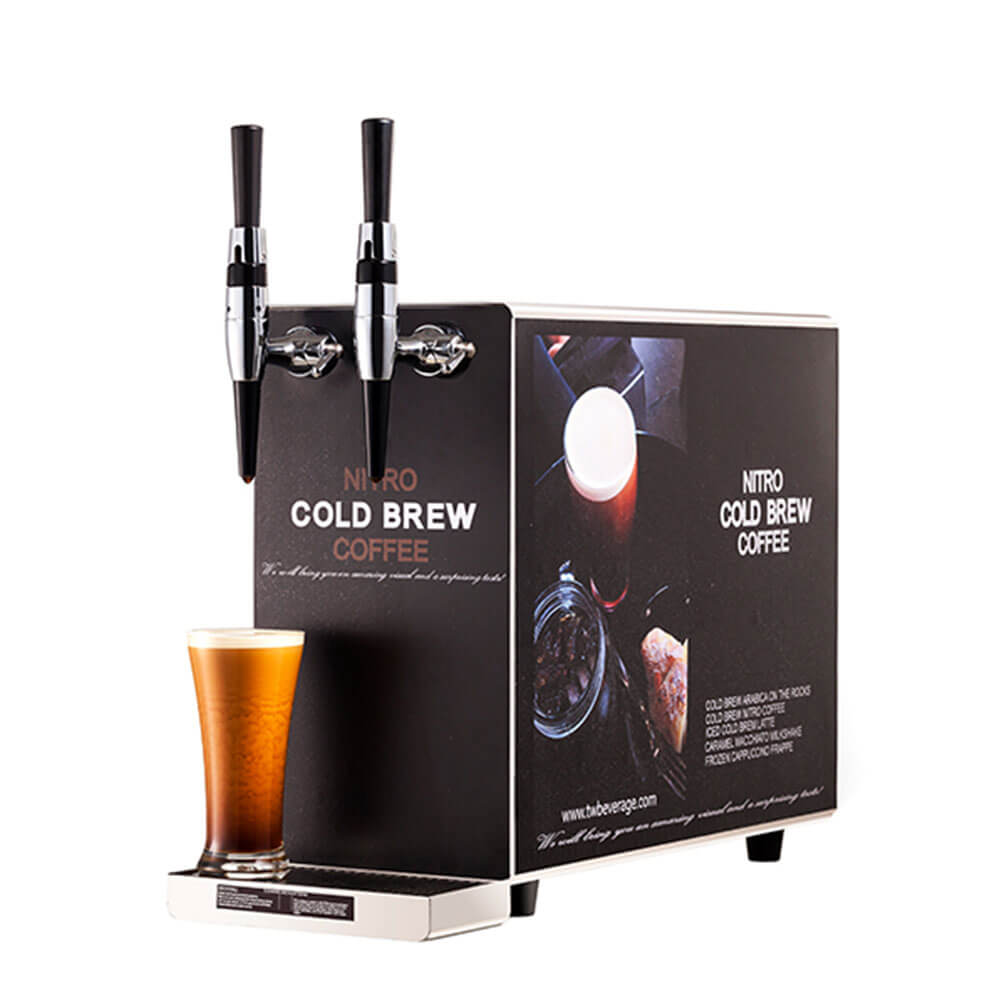
Nitro Cold Brew System - Kaapi Solutions
Nitro Brew'd Machine | Nitro Coffee Machine | Liquidline
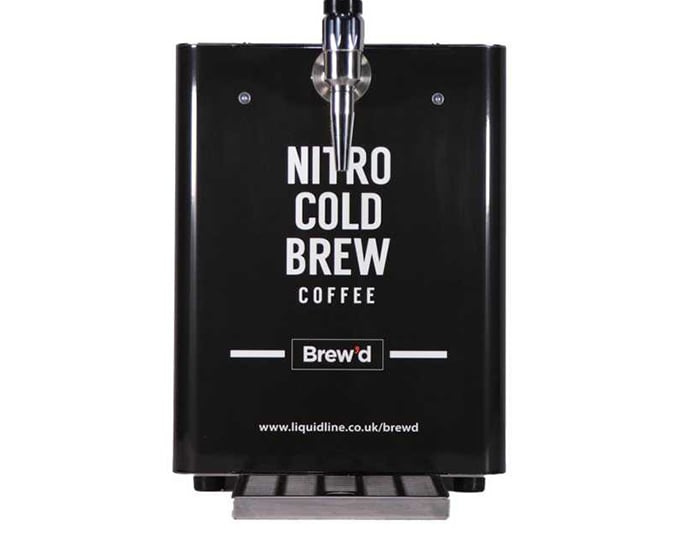
Nitro Brew'd Machine | Nitro Coffee Machine | Liquidline
Nitro Cold Brew Coffee Maker: Unleash A Flavor Revolution - Beans N Teas

Nitro Cold Brew Coffee Maker: Unleash a Flavor Revolution - Beans n Teas
DRNX Nitro Cold Brew Machine — BROOD

DRNX Nitro Cold Brew Machine — BROOD
What Is Nitro Cold Brew Coffee Machine At Gail Odom Blog

What Is Nitro Cold Brew Coffee Machine at Gail Odom blog