When ink meets intention, a tattoo can become a daily reminder of resilience. For seasoned hobbyists seeking designs that speak to the struggle with depression while encouraging recovery, the latest wave of symbols, color palettes, and placement strategies blends clinical insight with artistic nuance. Below is a compact guide that turns personal narrative into visual therapy.
How can a tattoo serve a therapeutic purpose?
Research on expressive art shows that visual representations of internal states can externalize pain, making it easier to process. By choosing motifs rooted in recognized depression symptoms—such as foggy clouds, broken chains, or muted gradients—artists create a tangible anchor for reflection. 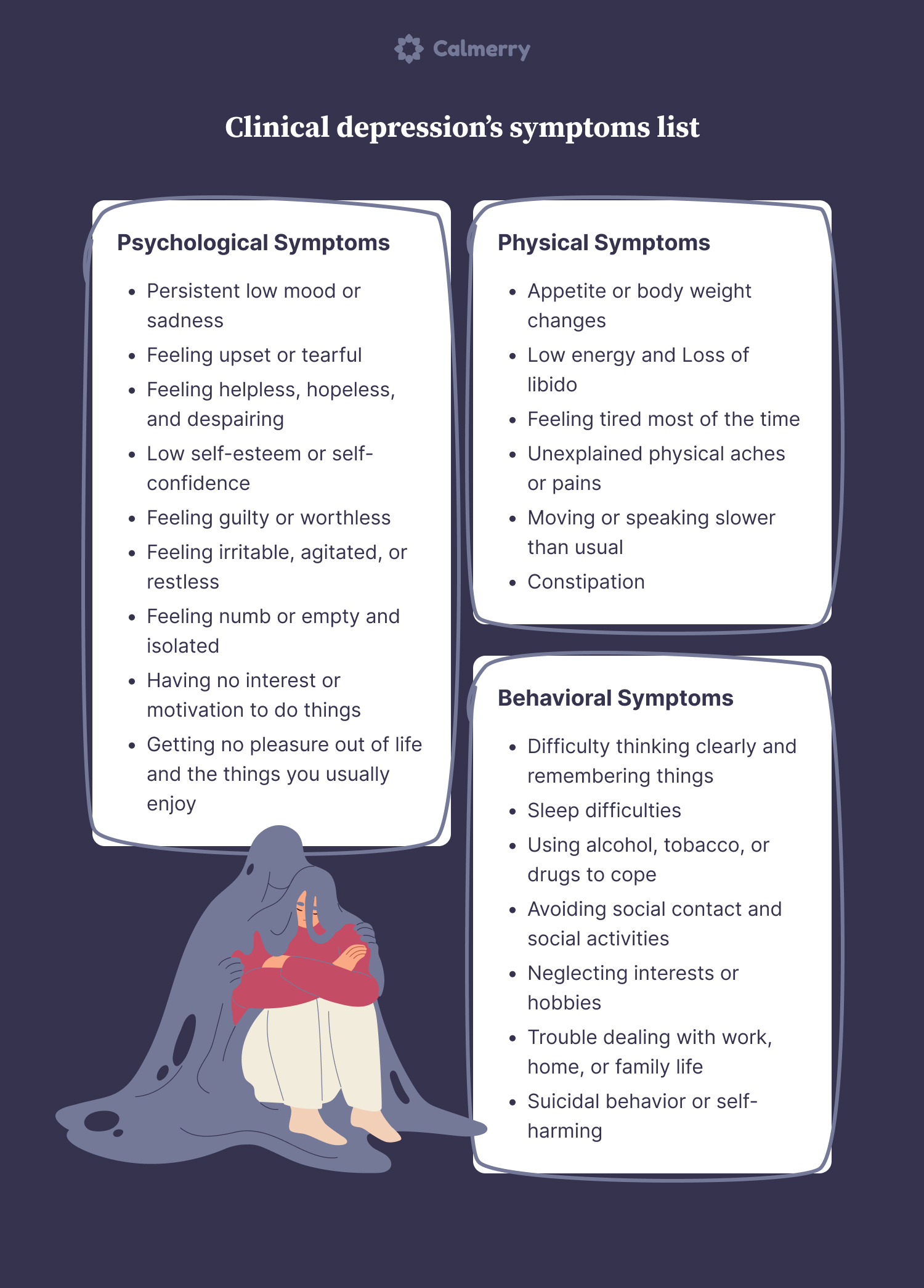 This visual link helps wearers recognize triggers and celebrate incremental progress.
Which symbols most effectively convey hope?
Hope thrives on contrast. Pairing darker elements with bright, forward‑moving icons shifts the narrative from stagnation to growth. Consider these combinations:
- Semicolon + sunrise: The semicolon marks a pause, not an ending; the sunrise adds the promise of a new day.
- Butterfly emerging from a cracked shell: Metamorphosis mirrors the journey from low mood to renewed vitality.
- Heartbeat line turning into a vine: A medical reference that blossoms into natural life, signaling ongoing care.
Each pairing works on a small canvas—wrist, ankle, or behind the ear—so the message stays intimate yet visible. 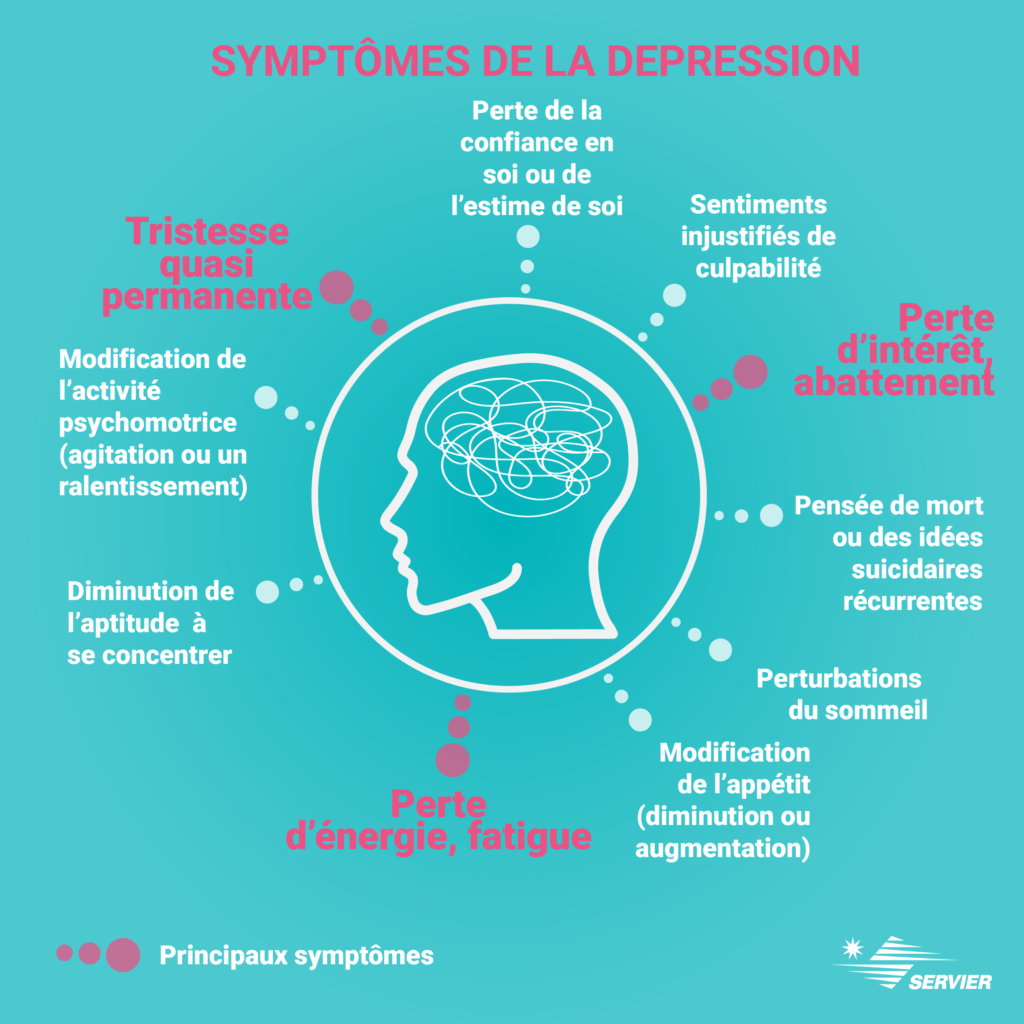 The vivid colors in this example illustrate how a subtle gradient can shift mood without overwhelming the design.
What placement maximizes emotional impact?
Location dictates how often the wearer encounters the reminder. For self‑affirmation, choose areas that align with daily motion:
- Inner forearm: Visible during work or study, prompting a quick mental check‑in.
- Collarbone: Close to the heart, reinforcing the connection between emotional health and bodily well‑being.
- Ribs (near the diaphragm): A spot that expands with breath, linking the tattoo to grounding breathing exercises.
Artists should discuss skin sensitivity and healing time with clients, especially for intricate line work on thinner skin.
Which technical approaches preserve both meaning and durability?
Fine line shading combined with selective color washes offers longevity without sacrificing subtlety. Use a single‑needle script for text elements to keep them crisp over years, and reserve bold outlines for symbolic anchors (e.g., a sunrise silhouette). When incorporating gradients, blend from cool blues to warm oranges to echo the emotional transition from melancholy to optimism. Finish with a matte black sealant to reduce glare, ensuring the design remains readable in low‑light settings.
Where can hobbyists find inspiration and community feedback?
Online forums dedicated to mental‑health art, such as dedicated subreddits and Instagram hashtags like #HealingInk, provide a steady stream of real‑world examples. Pair this with reputable mental‑health sites—like the clinical depression overview shown above—to verify that chosen symbols align with therapeutic concepts. When planning a new piece, sketch multiple drafts, solicit feedback from both peers and, when possible, a mental‑health professional, then refine the final composition.
By merging clinically informed symbols with hopeful visual cues, experienced tattooists can craft pieces that do more than decorate skin—they become portable affirmations of perseverance. The key lies in thoughtful symbolism, strategic placement, and technique that honors both art and the wearer’s journey toward healing.
Depression Rates Among US Adults Reach New High: Gallup - ABC News

Depression rates among US adults reach new high: Gallup - ABC News
The Weight Of Sadness: Understanding Depression Statistics In 2023

The Weight of Sadness: Understanding Depression Statistics in 2023 ...
Depression Symptoms: Common Signs And How To Recognise Them

Depression Symptoms: Common Signs and How to Recognise Them