When a couple decides to move, study abroad, or apply for a visa, the marriage certificate becomes a passport to new opportunities—but only if it’s translated correctly. Navigating foreign bureaucracy, language nuances, and legal validation can feel overwhelming, yet a clear roadmap turns the process from a mystery into a manageable task.
Why a Certified Translation Matters
Most governments and educational institutions require a certified translation of a marriage certificate rather than a casual, informal rendition. A certified translation guarantees that the content is an accurate, complete, and legally binding replica of the original document. Without it, applications can be delayed, denied, or sent back for clarification, costing time and money.
Common Pitfalls That Stall the Process
Even seasoned travelers stumble over a few recurring issues:
- Using non‑certified translators. A simple word‑for‑word translation may miss cultural or legal subtleties that a certified professional would catch.
- Skipping notarization. Many authorities ask for the translator’s signature to be notarized, confirming the translator’s oath of accuracy.
- Ignoring format requirements. Some agencies demand a specific layout—such as side‑by‑side original and translation—or require the document to be printed on official letterhead.
Step‑by‑Step Path to a Valid Translation
1. Gather the Original Documents
Obtain a clean, legible copy of the marriage certificate. If the original is in a language other than English, ensure it includes any official stamps, seals, or signatures, as these details must appear in the translation.
2. Choose a Certified Translator
Look for translators accredited by recognized bodies—such as the American Translators Association (ATA) for U.S. applications—or by the embassy of the destination country. Many translation agencies list their certifications on their websites, and a quick phone call can confirm eligibility.
3. Request a Quote and Timeline
Provide the translator with a high‑resolution scan of the certificate and ask for a written estimate. Prices typically reflect the document’s length, language pair, and whether notarization is needed. Ask for the expected turnaround; most certified translations for a single‑page certificate are completed within 2‑5 business days.
4. Review the Draft
When the translator sends the draft, compare it side‑by‑side with the original. Verify that all names, dates, and official terminology match exactly. Any discrepancy should be corrected before finalization, as even a minor typo can invalidate the document.
5. Obtain Notarization and Apostille (if required)
Some jurisdictions ask the translator’s signature to be notarized. In addition, countries that are parties to the Hague Convention may require an apostille—an additional stamp that authenticates the notarized document for international use. Check the destination country’s consular guidelines to determine if an apostille is necessary.
6. Submit with Your Application
Attach the certified translation (and apostille, if applicable) to your visa, school admission, or residency application. Keep a digital copy for your records, and consider mailing a sealed envelope with the original and translation if the receiving agency prefers hard copies.
What to Expect After Submission
Once the translation is part of your package, most agencies review it alongside the original document. If everything aligns, the application proceeds to the next stage—whether that’s a visa interview, university enrollment, or citizenship test. If a discrepancy is found, you’ll receive a request for clarification, giving you a chance to correct the issue without starting from scratch.
Tips for a Smooth Experience
- Start early. Give yourself at least a week before your deadline to handle unexpected revisions.
- Keep copies of every step. Screenshots of email confirmations, receipts, and notarization forms can be lifesavers if paperwork goes missing.
- Check embassy websites. They often publish exact translation requirements, including sample formats.
- Consider bundled services. Some agencies offer translation plus notarization and apostille in one package, reducing coordination headaches.
By following this structured approach, couples can demystify the translation maze and focus on the exciting chapter ahead—whether that’s a new home, a university campus, or a fresh start in a different country.
Free Picture: Photograph, Anopheles Stephensi, Mosquito, Larva

Free picture: photograph, anopheles stephensi, mosquito, larva
Free Picture Photograph Anopheles Stephensi Mosquito Larva Mosquito

Free Picture Photograph Anopheles Stephensi Mosquito Larva Mosquito
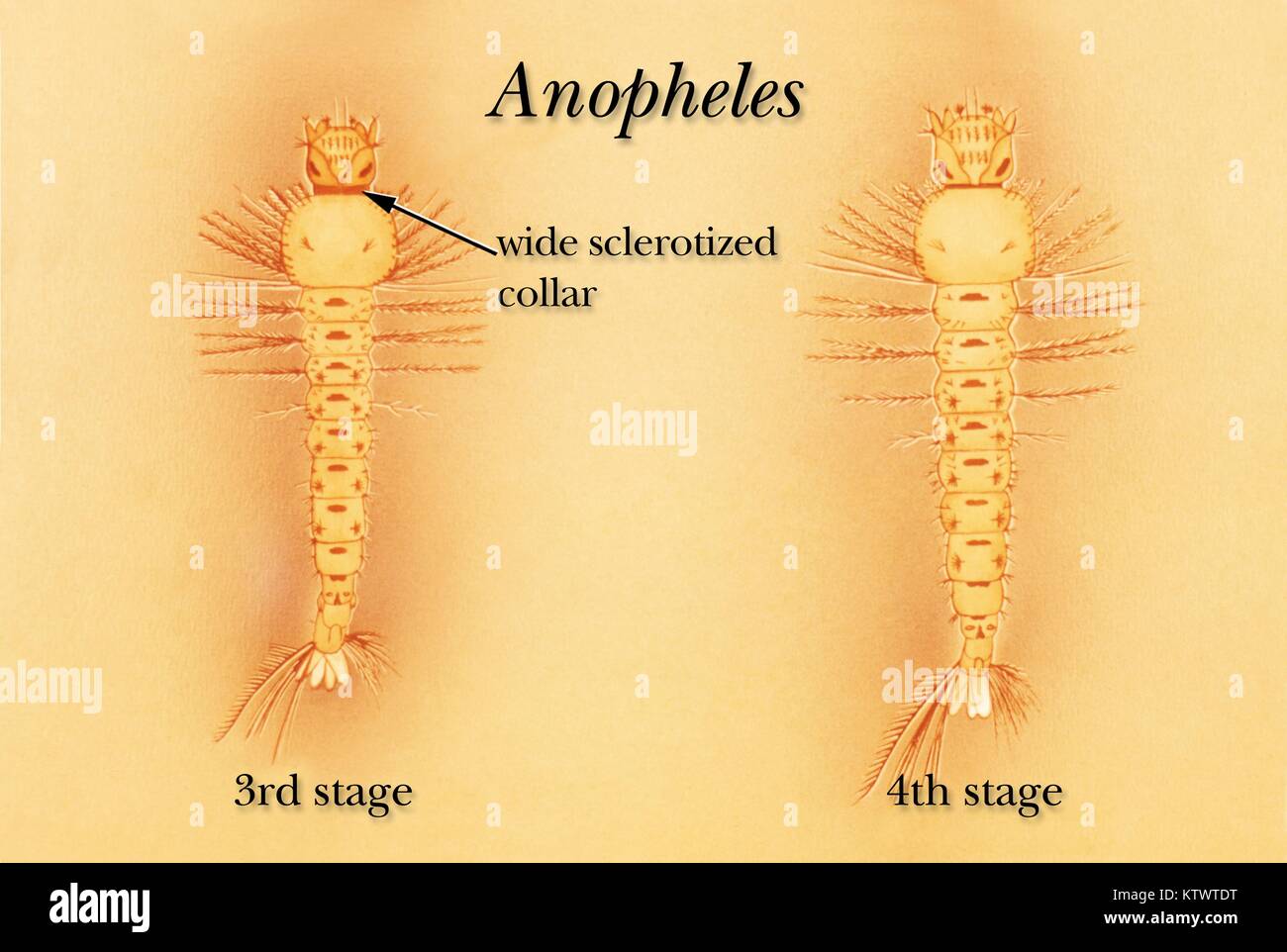
Anopheles Larvae

Anopheles Larvae
Mosquito Larva Anopheles Punctipennis Bugguidenet Fly Times, Issue 71

Mosquito Larva Anopheles Punctipennis Bugguidenet Fly Times, Issue 71
Anopheles Mosquito Eggs
Anopheles Mosquito Eggs