When a “This number is no longer in service” or “The person you called is unavailable” tone pops up, many assume the line is truly dead. In reality, the message is often a courtesy notification generated by carriers or a third‑party service, and it reveals more about network routing and caller behaviour than it does about the person on the other end.
Why the Message Appears
Telecom providers insert these alerts for three common reasons:
- Number deactivation. If a subscriber has cancelled service or the number has never been provisioned, the network returns a standardized “disconnected” tone.
- Network hand‑off. When a call is transferred between carriers that don’t share routing details, the system may default to a generic error message.
- Spam‑filtering. Some carriers use a “fake disconnect” to discourage automated dialers that often target outdated or premium numbers.
What the Alert Actually Tells You
Rather than confirming the person’s status, the message signals how the call was processed. If you hear a disconnected tone within a few seconds, chances are the call never reached a live switch or was blocked before a ring could be sent. A longer delay before the tone suggests the call made it to a carrier but was rerouted to a non‑responsive endpoint.
Pros of Encountering a Fake Disconnect
While frustrating, this notification can be useful:
- Time saver. It stops you from waiting for a ring that will never happen, allowing you to move on to other contacts.
- Data cleanliness. When used by businesses, the alert helps prune outdated customer lists, reducing wasted outreach.
- Security clue. A sudden surge of disconnected messages may hint at a larger network issue or a targeted spam campaign.
Trade‑offs and Potential Pitfalls
Relying on the tone alone can mislead:
- False negatives – genuine numbers sometimes trigger a fake disconnect because of temporary carrier glitches.
- Missed opportunities – if you assume the line is dead, you might never try alternative contact methods like text or email.
- Privacy concerns – some services use the message to obscure call‑blocking behavior, making it harder to verify if a number is truly inactive.
Realistic Expectations for Callers
If you hear a disconnected message, consider these next steps instead of writing it off:
- Verify the number through a secondary source (e.g., a recent email signature or an online directory).
- Send a brief text asking if the number is still in use; many carriers will deliver SMS even when voice service is suspended.
- Check your own carrier’s outage map – occasional network issues can cause a cascade of fake disconnects.
Bottom Line
The “fake disconnected” tone is less a statement about the person you’re trying to reach and more a signal about how the call traveled through the telecom ecosystem. Recognizing its origins lets you treat the alert as a diagnostic tool rather than a final verdict, helping you decide whether to retry, switch channels, or clean up outdated contact information.
Possessive Adjectives | Woodward English
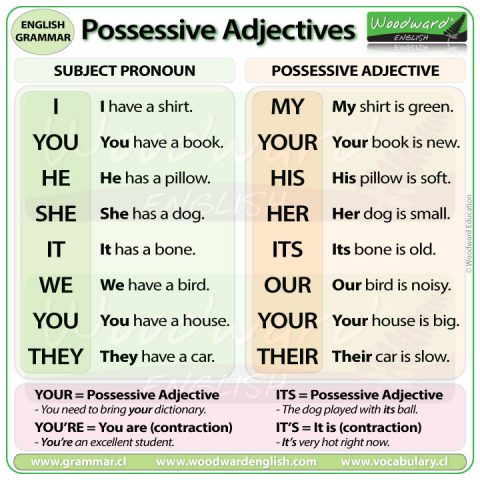
Possessive Adjectives | Woodward English
Possessive Pronouns | PPTX
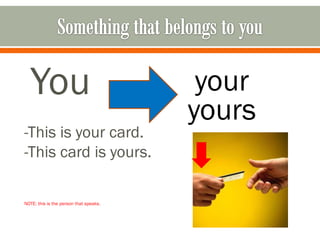
Possessive pronouns | PPTX
Possessive Adjectives . Possessive Pronouns | PPT

Possessive adjectives . possessive pronouns | PPT
Possesive Adjectives | PPT

Possesive adjectives | PPT
Possessive Adjectives . Possessive Pronouns | PPT

Possessive adjectives . possessive pronouns | PPT