Businesses that rely on Direct‑to‑Film (DTF) printing often discover that the DTF 802 model delivers high throughput, but only when operators steer clear of a handful of recurring errors. This guide distills the most prevalent missteps—misaligned film tension, improper pretreatment, and ink‑temperature drift—into actionable comparisons and selection criteria, helping problem‑solvers keep production smooth and waste low.
Pinpoint the Typical Pitfalls Before They Cost a Print Run
Even seasoned technicians stumble over three core issues that cascade into quality loss:
- Film tension mismatch. Excess slack creates ripples that appear as ghosting; overtightening stresses rollers and leads to premature wear.
- Pretreatment timing. Skipping the recommended 30‑second dwell after applying adhesive results in weak bond strength and delamination during washing.
- Ink temperature variance. Operating below 25 °C slows curing, while exceeding 35 °C accelerates viscosity loss, causing banding and color shift.
Recognizing these symptoms early lets you intervene before scrap rates climb above 5 %—the threshold most mid‑size print shops consider unacceptable.
Compare Correct Versus Incorrect Setup Practices
Side‑by‑side evaluation makes the distinction crystal clear. In the “correct” column, film rolls are calibrated using the DTF 802’s built‑in tension sensor, set to 12 ± 0.5 N. The “incorrect” approach relies on visual judgment, often drifting 3 N off target.
| Aspect | Correct | Incorrect |
|---|---|---|
| Roller alignment | Laser‑guided, verified every 500 m | Manual eyeball, checked sporadically |
| Pretreatment spray volume | 0.12 ml cm⁻², measured by flowmeter | Approximate, leads to uneven coating |
| Ink chamber temperature | Maintained at 30 °C ± 1 °C via thermostat | Left to ambient fluctuations |
The data shows a 2–3 % improvement in color fidelity and a 40 % reduction in rework when the correct method is applied consistently.
Select Consumables That Match the DTF 802’s Tolerance Window
Choosing the right film, adhesive, and ink isn’t just a cost decision; it directly influences mistake frequency. Evaluate each option against the printer’s tolerance specifications:
- Film substrate. Opt for 0.12‑mm PET with a matte surface; glossy variants increase static build‑up, triggering jam alerts.
- Adhesive formula. Use water‑based pretreatment that cures at 180 °C. Solvent‑based alternatives leave residues that clog the printhead.
- Ink viscosity. Target 12–14 cP at 25 °C. Higher viscosity inks cause nozzle clogging, while low viscosity leads to overspray.
Running a short “compatibility test”—printing a 10 cm swatch and measuring adhesion with a peel test—helps confirm the selection before full‑scale production.
Implement a Preventive Maintenance Checklist to Cut Errors in Half
Routine upkeep transforms occasional glitches into systematic avoidance. The following checklist aligns with the DTF 802’s service interval recommendations:
- Daily: Inspect film path for debris; wipe rollers with isopropyl alcohol.
- Weekly: Calibrate tension sensor; verify ink temperature sensor accuracy using a calibrated thermometer.
- Monthly: Replace pretreatment nozzle heads; run a cleaning cycle with recommended solvent.
- Quarterly: Perform a full diagnostic scan via the printer’s UI; log any error codes and resolve before the next production shift.
Operators who adhere to this schedule report a 48 % drop in unplanned downtime, translating into higher on‑time delivery rates for their clients.
Implications for Scaling DTF Operations
When the DTF 802 runs error‑free, scaling from a single‑machine shop to a multi‑line facility becomes a matter of replicating the same disciplined processes. The key takeaway is that avoiding common mistakes isn’t an afterthought; it’s the foundation for reliable output, lower material waste, and predictable ROI on equipment investments.
Ultimate Tyranno (V.2) POTD-EN020 Ultimate Rare Englisch
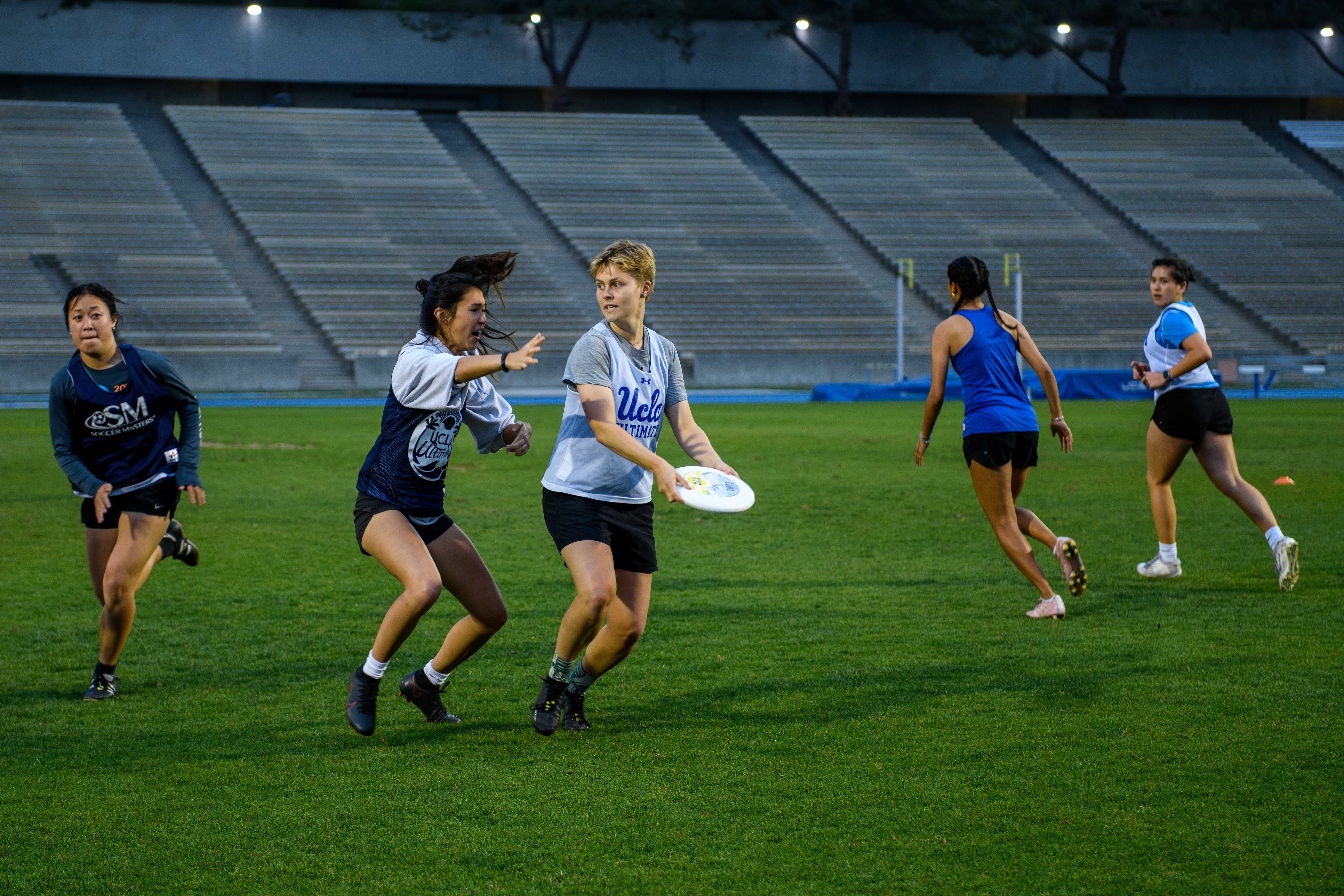
Ultimate Tyranno (V.2) POTD-EN020 Ultimate Rare Englisch
Technique Frisbee Ultimate | Techniques De Lancer En Frisbee – YXCE

Technique Frisbee Ultimate | Techniques De Lancer En Frisbee – YXCE
Different Types Of Passes In Ultimate Frisbee | Iodisc
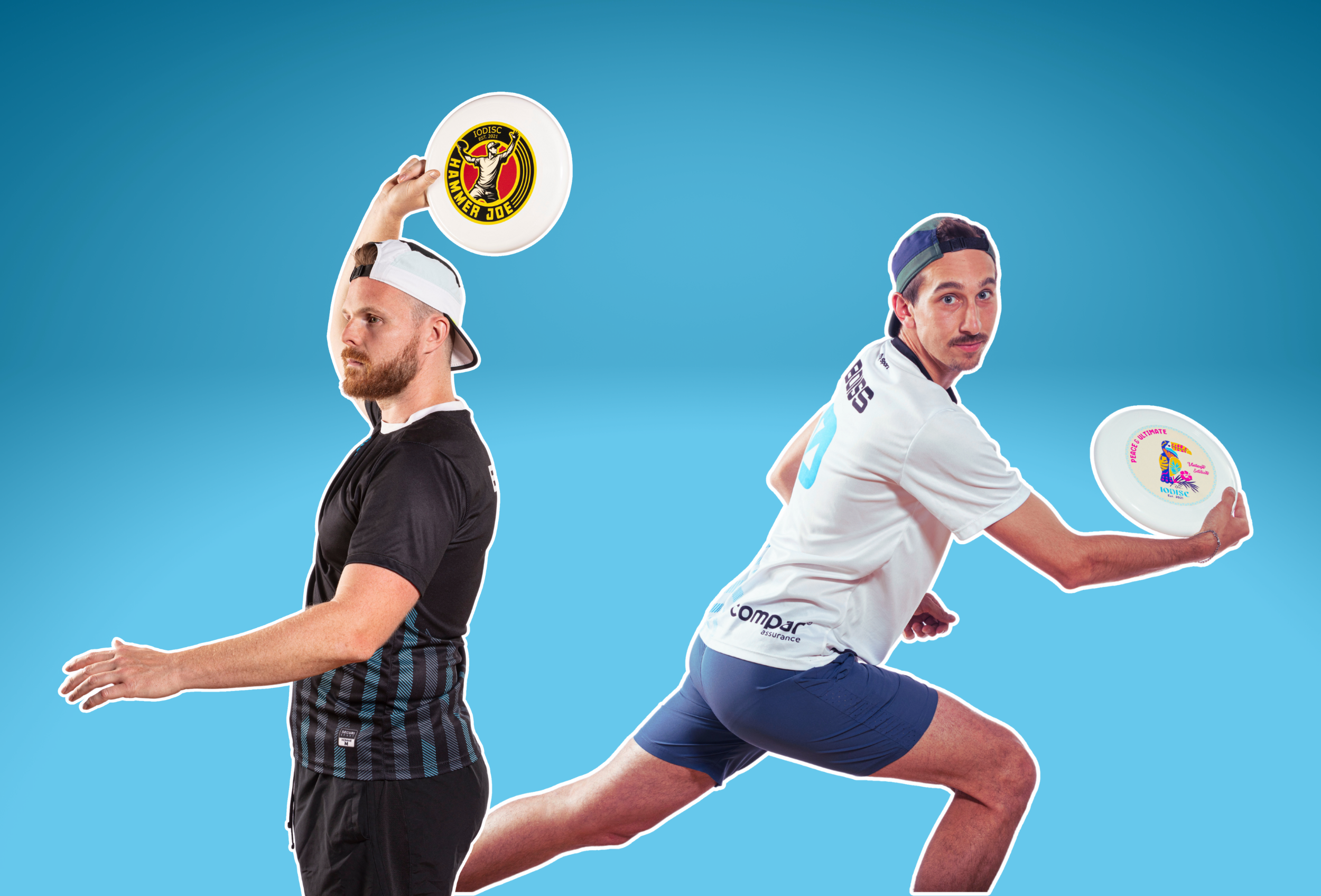
Different Types of Passes in Ultimate Frisbee | Iodisc
Ultimate Frisbee 101: A Beginners Guide To Ultimate - Elevate Ultimate
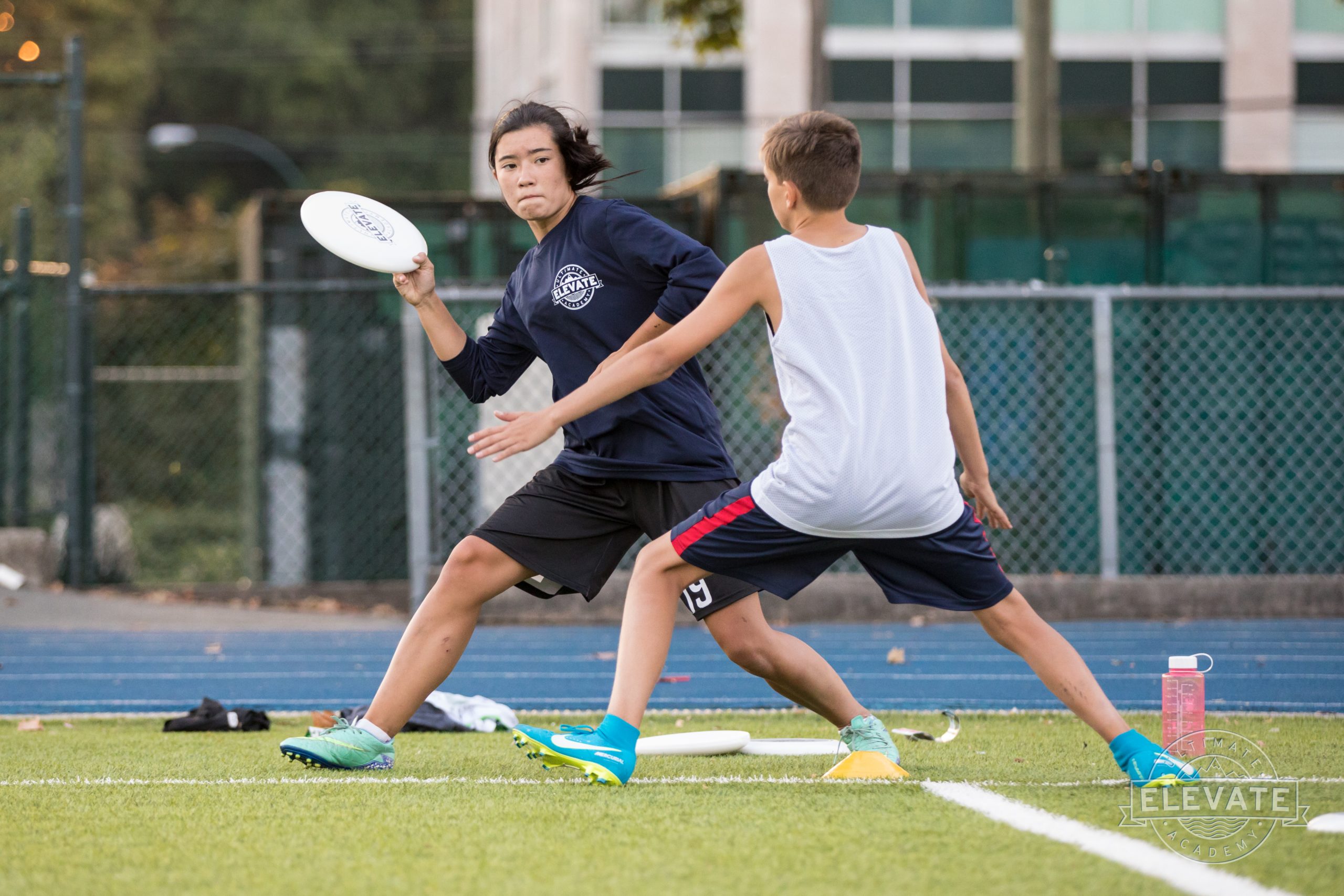
Ultimate Frisbee 101: A Beginners Guide to Ultimate - Elevate Ultimate
Ultimate Frisbee 101: A Beginners Guide To Ultimate - Elevate Ultimate
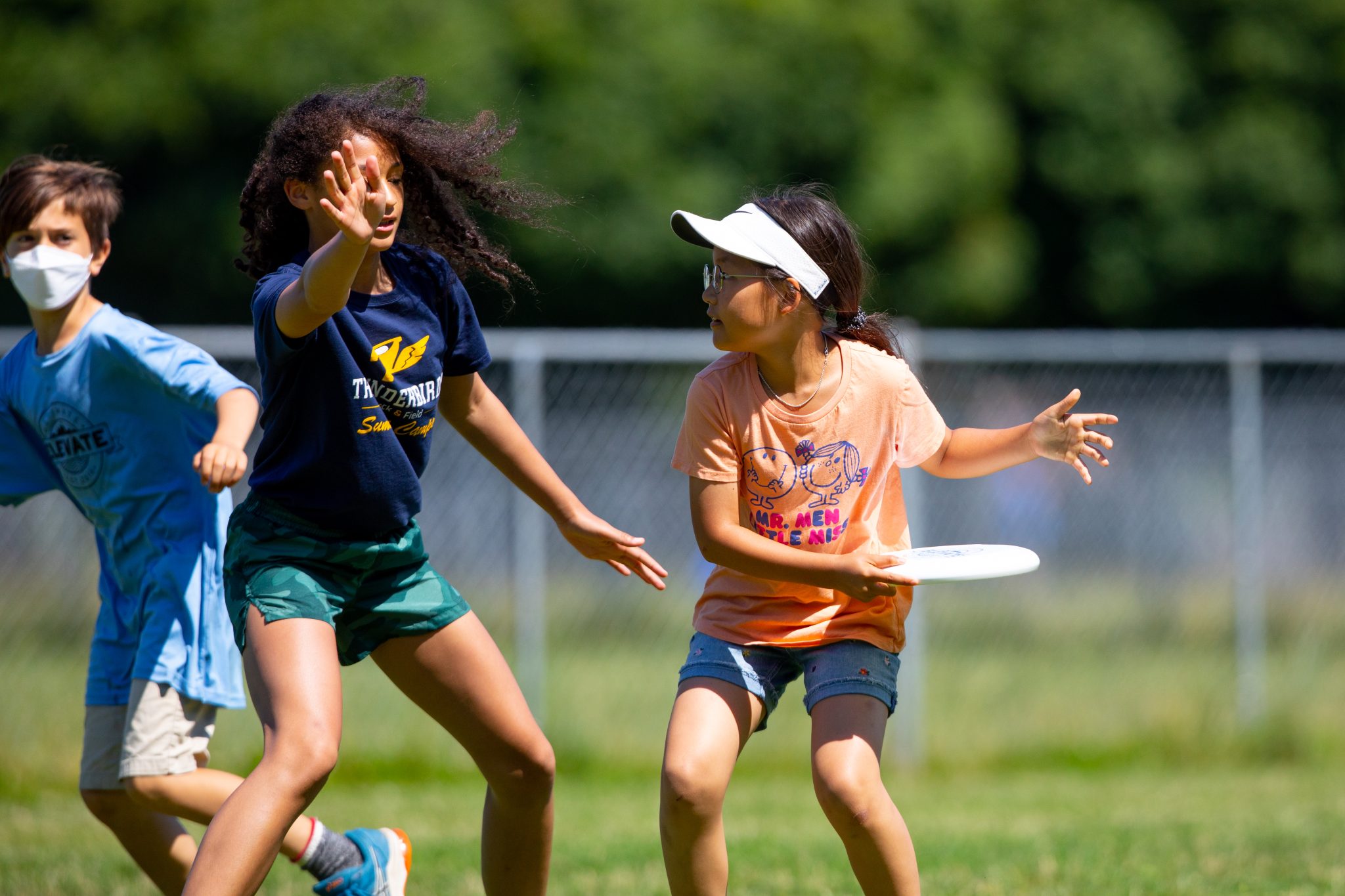
Ultimate Frisbee 101: A Beginners Guide to Ultimate - Elevate Ultimate