People often conflate an astrolabe—a centuries‑old instrument for mapping the heavens—with a birth chart, the personal astrological snapshot used in modern horoscopes. While both involve celestial positions, the former is a physical tool for astronomical calculations, whereas the latter is a symbolic diagram for interpreting individual destiny. Understanding the distinction helps hobbyists avoid misusing one for the other and lets them choose the right approach for their goals.
What an Astrolabe Is and How It Works
An astrolabe is a rotating brass disk that reproduces the sky at any given date, time, and latitude. By aligning the rete (a star map) with the altitude circle, users can determine sunrise and sunset times, the altitude of a planet, or the culmination of a star. Historically, navigators, astronomers, and scholars relied on it for practical calculations before telescopes and digital software existed.
What a Birth Chart Represents
A birth chart, also called a natal chart, plots the positions of the Sun, Moon, and planets at the exact moment of a person’s birth. Astrologers interpret the relationships (aspects) among these points to infer personality traits, life themes, and potential challenges. Unlike the astrolabe, a birth chart is not a measurement device; it is a symbolic framework built on the premise that celestial patterns influence human experience.
Key Distinctions at a Glance
- Purpose: Astrolabe = navigation and astronomical measurement; Birth chart = personal interpretation.
- Material: Physical instrument made of metal; Birth chart = digital or paper diagram.
- Data input: Date, time, and geographic location for precise sky rendering; Birth chart = exact birth moment and location for symbolic mapping.
- Outcome: Numeric and angular results useful for timing; Birth chart = qualitative insights into character and life cycles.
When One Is Useful Over the Other
If you need to calculate the altitude of a star for a night‑time hike, an astrolabe (or its modern software equivalent) provides the accuracy required. Conversely, if you seek a reflective tool for personal growth or relationship counseling, a birth chart offers a language of symbols that many find meaningful. Professionals in fields such as maritime navigation, historical astronomy, or science education gravitate toward the astrolabe, while therapists, life coaches, and hobbyist astrologers prefer birth charts.
Cautions: Mixing Tools Without Understanding
Applying an astrolabe’s precise measurements directly to astrological interpretation can create false confidence; the instrument does not account for the mythic meanings that astrologers assign to planetary positions. Likewise, using a birth chart as a literal navigation aid ignores its metaphorical nature and may lead to unreliable decisions. Users should respect each tool’s context and avoid substituting one for the other without a clear rationale.
Bottom Line for the Practical Reader
Recognizing that an astrolabe is a concrete device for charting the sky, while a birth chart is a symbolic map for personal insight, equips you to select the appropriate method for the task at hand. Whether you are plotting a route across the ocean or exploring a personal growth plan, the choice between these two celestial references hinges on whether you need measurable data or interpretive meaning.
Do Birds Have Ears? Everything You Need To Know About Bird Hearing

Do Birds Have Ears? Everything You Need to Know About Bird Hearing ...
Bird Ears Explained: How Birds Hear And Communicate

Bird Ears Explained: How Birds Hear And Communicate
PPT - HEARING PowerPoint Presentation, Free Download - ID:5633253
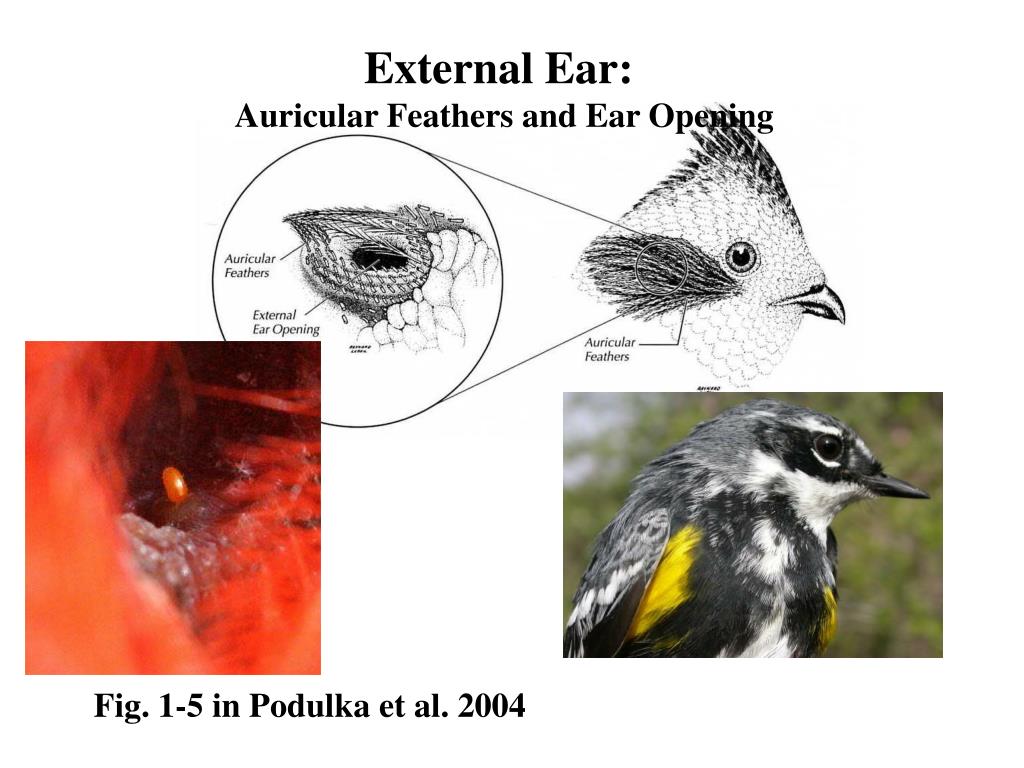
PPT - HEARING PowerPoint Presentation, free download - ID:5633253
Ears – Birds Online

Ears – Birds Online
Ear Anatomy Of Raptor Birds. Examples Of Auricular Feathers And

Ear anatomy of raptor birds. Examples of auricular feathers and ...