“Yes honey” memes have exploded across TikTok, Instagram, and Reddit, turning a simple phrase into a cultural shorthand for enthusiastic agreement. Behind the humor lies a set of cognitive shortcuts, social cues, and reward mechanisms that make the meme irresistibly shareable. Understanding these dynamics equips researchers with a fresh lens on digital persuasion and helps marketers decide when—and when not—to deploy the format.
Why the Phrase Works: Cognitive and Emotional Triggers
At its core, “yes honey” combines two high‑frequency words that evoke positivity and intimacy. The affirmative “yes” activates the brain’s reward circuitry, releasing dopamine that signals a successful outcome. Adding “honey,” a term of endearment, taps into social bonding circuits linked to oxytocin release. The result is a micro‑affirmation that feels both approving and affectionate, encouraging viewers to linger a fraction longer on the post.
Research on linguistic framing shows that short, emotionally charged statements are processed more fluently than longer sentences, leading to higher perceived credibility. In the meme’s case, the brevity and rhythmic cadence further reduce cognitive load, making the content instantly digestible on scrolling feeds.
Social Proof and the Bandwagon Effect
When a meme spreads, each share functions as a social endorsement. The “yes honey” format often appears paired with relatable scenarios—like a friend finally agreeing to a plan—allowing viewers to project themselves onto the image. This projection amplifies the bandwagon effect: individuals are more likely to adopt a behavior that appears already popular within their peer network.
Platforms such as TikTok reinforce this loop through algorithmic promotion of high‑engagement content. The more “yes honey” memes that accrue likes and comments, the more the algorithm surfaces them, creating a self‑perpetuating cycle of visibility and acceptance.
Decision‑Making Guide for Brands
When to use the meme
- **Audience alignment** – Target demographics that already engage with meme culture (Gen Z, Millennials). Conduct a quick sentiment scan of your brand’s social mentions to confirm that humor is welcomed.
- **Message simplicity** – Pair the meme with a single, clear call‑to‑action. Overloading the image with text dilutes the dopamine hit that the “yes honey” phrase generates.
- **Authenticity check** – Ensure the visual style matches your brand voice. A polished corporate aesthetic paired with a casual meme can appear forced, reducing trust.
When to avoid it
- **Highly regulated sectors** – Financial services, healthcare, and legal advice demand formal communication; the meme’s informal tone may trigger compliance flags.
- **Crisis communication** – During brand emergencies, humor can be interpreted as insensitivity, eroding credibility.
- **Cultural mismatches** – In regions where “honey” is not a common term of endearment, the phrase may lose its affective power.
Long‑Term Implications for Digital Culture
The endurance of “yes honey” memes suggests a broader shift toward concise, affect‑laden communication online. As attention spans shrink, content that delivers an emotional payoff in under three seconds gains a competitive edge. Scholars predict that future meme formats will increasingly fuse linguistic cues with visual shortcuts to capitalize on the same reward pathways.
For marketers, the lesson is clear: leverage the psychological scaffolding—dopamine, oxytocin, social proof—without sacrificing brand integrity. By treating the meme as a strategic tool rather than a gimmick, companies can harness its viral potential while preserving long‑term audience trust.
Practical Next Steps
1. Conduct a rapid A/B test: Deploy a “yes honey” meme alongside a neutral visual in two identical ad sets. Measure click‑through rates and comment sentiment over a 48‑hour window.
2. Map the meme’s lifecycle: Track initial spikes, plateau phases, and decay rates using platform analytics. Adjust posting cadence to align with peak engagement windows identified in the data.
3. Document audience feedback: Compile qualitative responses to identify any emerging connotations—positive or negative—that could inform future creative directions.
By treating the phenomenon as a case study in digital psychology, researchers gain a concrete example of how language, emotion, and platform mechanics intersect. Marketers, in turn, obtain a decision‑making framework that balances virality with brand safety.
How To Get Full Screen On HP Laptop Windows 11 - YouTube

How To Get Full Screen On HP Laptop Windows 11 - YouTube
Ripley - LAPTOP HP 15-EG0501LA INTEL CORE I5-1135G7 11VA GEN 8GB RAM
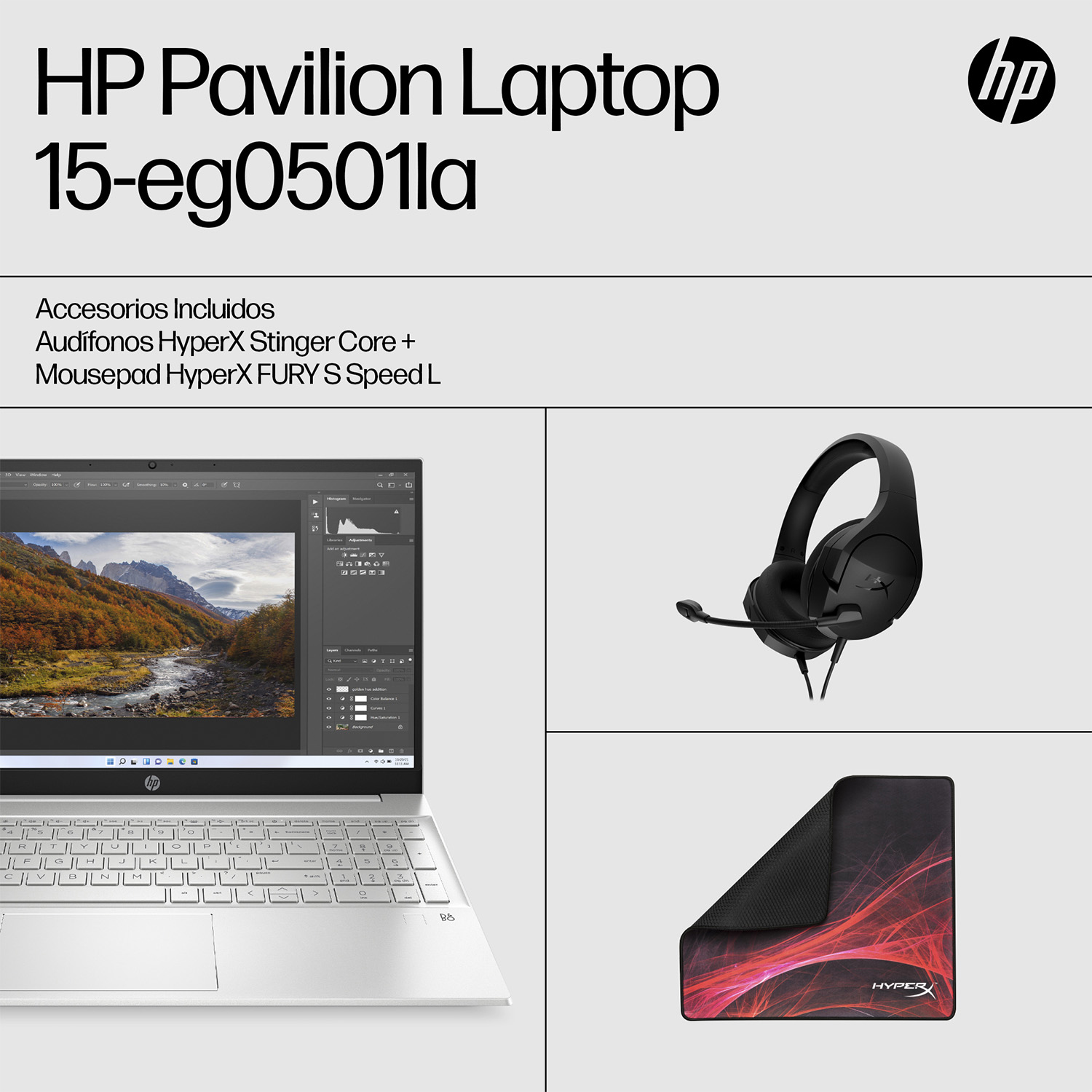
Ripley - LAPTOP HP 15-EG0501LA INTEL CORE I5-1135G7 11VA GEN 8GB RAM ...
Why Your Laptop Audio Might Not Be Working – Fix It In Perth - Mobile

Why Your Laptop Audio Might Not Be Working – Fix It in Perth - Mobile ...
Laptop Hp Windows 10
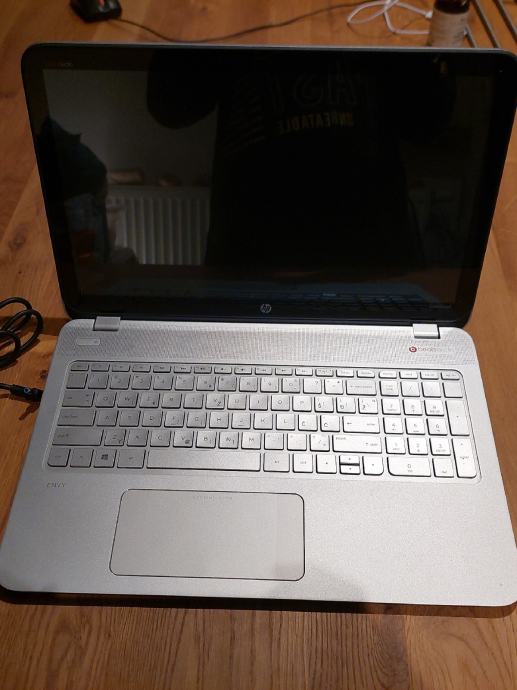
laptop hp windows 10
Windows 10 Touchscreen On Hp Laptop – AVKIU

Windows 10 Touchscreen On Hp Laptop – AVKIU