Facing anxiety can feel like staring into an endless abyss, but a growing DIY movement suggests you can capture and neutralize dread by placing it—metaphorically—into a jar, taking one deliberate step at a time. The method blends mindfulness, ritual, and incremental exposure, offering a tangible framework for people who prefer concrete actions over abstract contemplation.
Why the “Jar” Metaphor Gains Traction
Modern stress‑management trends gravitate toward visual anchors: vision boards, habit trackers, and gratitude journals. A jar provides a physical container that externalizes an intangible feeling, turning fear into a visible object that can be observed, labeled, and gradually reduced. The approach aligns with evidence‑based practices such as exposure therapy and cognitive reframing, while adding a ritualistic layer that many find reassuring.
Common Mistakes That Undermine the Process
- Skipping the “small step.” Users often aim for a grand declaration—like “I’ll never feel anxious again”—instead of committing to a modest action, such as “I’ll breathe for 30 seconds before checking my phone.” The leap from intention to overwhelming change frequently leads to disengagement.
- Neglecting concrete labeling. Simply writing “fear” on a slip of paper dilutes the specificity needed for progress. Effective practitioners describe their anxiety in precise terms (e.g., “fear of public speaking during quarterly reviews”) and note the context, which sharpens focus during later reflection.
- Treating the jar as a “quick fix.” When users expect the jar to magically erase fear, disappointment follows. The container is a cue, not a cure; consistent daily actions are the true catalyst for change.
Smarter Alternatives That Build Momentum
- Define micro‑goals. Break the overarching fear into bite‑sized tasks that can be completed in five minutes or less. For a person fearing networking, a micro‑goal might be “introduce myself to one colleague after lunch.” Writing the goal on a card and placing it in the jar gives it a physical presence.
- Pair the jar with a “progress ledger.” After each micro‑goal, log the outcome in a notebook or app. Tracking successes, however minor, reinforces neuro‑plastic pathways that reduce anxiety over time.
- Incorporate a reset ritual. When a step feels too daunting, close the jar, breathe deeply, and reset the intention for the next day. The ritual signals to the brain that setbacks are part of a learning curve, not a failure.
- Use visual cues to celebrate milestones. Once ten micro‑steps are logged, transfer the cards to a “wins” jar or replace the original jar with a fresh one labeled “Growth.” The visual shift marks tangible progress and sustains motivation.
Recommendation: Implement a Structured Jar Routine Today
To turn fear into a manageable series of actions, start with a single, clearly defined step and a dedicated jar. Write the step on a slip of paper, add it to the jar, and commit to completing it within the next 24 hours. Afterward, record the outcome, reflect on any emotions that surfaced, and place the slip in a “completed” jar. Repeat the cycle daily, gradually increasing the complexity of the steps as confidence builds. This iterative loop—small step, record, reflect—creates a feedback system that transforms abstract dread into concrete achievement, offering a sustainable path toward emotional resilience.
Kraft Brands And Products
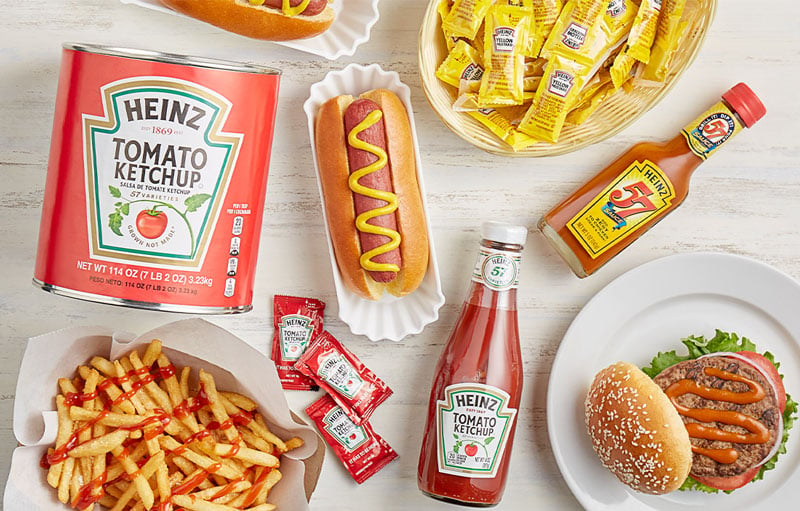
Kraft Brands And Products
Beloved Products Every Day | Kraft Heinz | Kraft Heinz

Beloved Products Every Day | Kraft Heinz | Kraft Heinz
Kraft Food Recrutement | Kraft Heinz Recrutement – MIQG
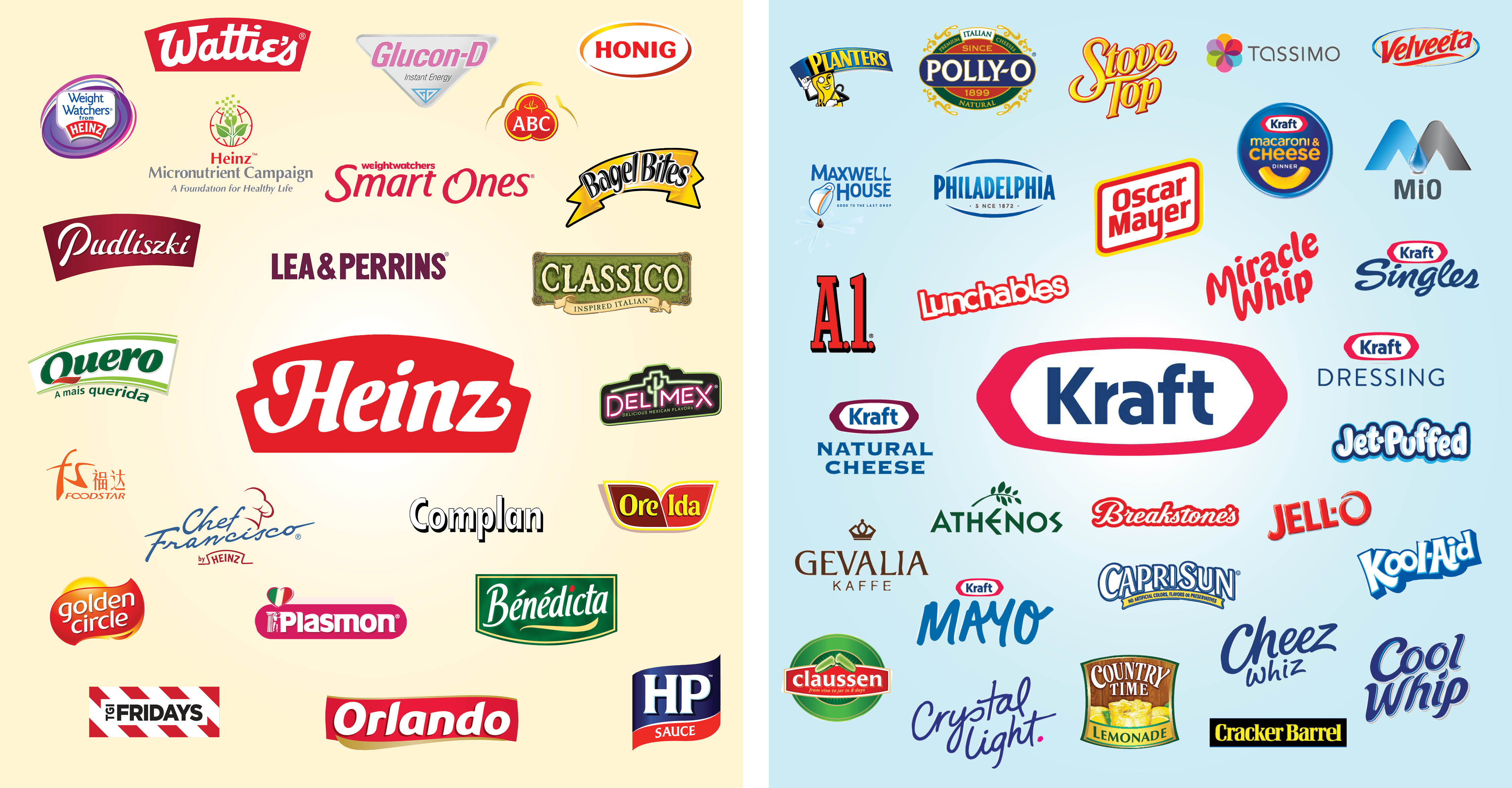
Kraft Food Recrutement | Kraft Heinz Recrutement – MIQG
How Kraft Heinz Built Its $36 Billion Legacy In Food Industry?

How Kraft Heinz Built Its $36 Billion Legacy in Food Industry?
Kraft Heinz Benefits Portal At Marion Ohara Blog
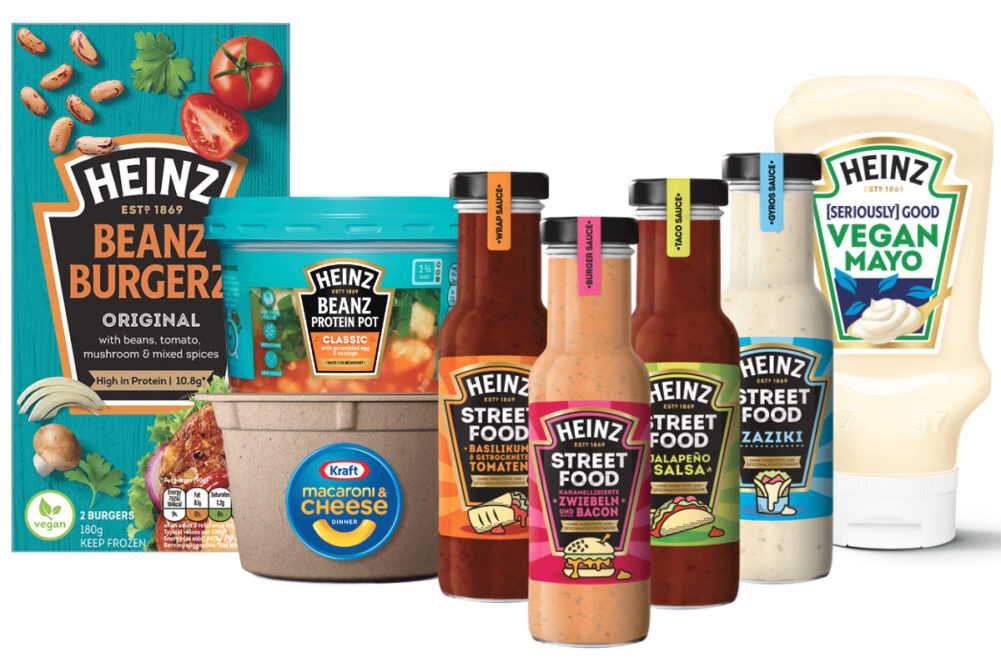
Kraft Heinz Benefits Portal at Marion Ohara blog