Musicians and producers are increasingly hearing the term “chord oceans” alongside classic arpeggios, prompting a practical choice: which technique best fuels the immersive, ocean‑like textures demanded by today’s cinematic and ambient scores? This guide cuts through the jargon, outlines the sonic trade‑offs, and equips busy creators with clear criteria for deciding when to ride a chord ocean and when to spark an arpeggio ripple.
Defining the two sounds
Chord oceans are dense, sustained harmonic fields that roll like a tide. By layering multiple extensions—9ths, 13ths, suspensions—over a single root and employing slow, volumetric envelopes, composers generate a wash that fills the stereo field without obvious melodic motion. The effect mimics the depth and continuity of water, often enhanced by reverb or granular processing.
Arpeggios break chords into sequential notes, creating rhythmic motion that can be rapid (sixteenth‑note tremolos) or spacious (half‑note arpeggiations). The technique emphasizes linear development rather than static mass, making it ideal for building tension, highlighting harmonic progressions, or driving a groove.
Sound‑design implications
- Texture density: Chord oceans produce a thick, continuous backdrop; arpeggios add rhythmic definition without overwhelming the mix.
- Dynamic control: Oceans rely on slow attack/release envelopes for swell; arpeggios respond instantly to velocity and tempo changes.
- Frequency spread: Oceanic chords often push low‑mid frequencies, requiring careful side‑chain or EQ carving; arpeggios can occupy higher registers, leaving space for percussive elements.
- Automation needs: Oceanic swells benefit from gradual automation curves; arpeggios thrive on step sequencer patterns or MIDI loops.
When to pick a chord ocean
If your project demands a sense of vastness—think film scores for open seas, ambient soundscapes for meditation apps, or background pads for virtual reality—the sustained, enveloped quality of chord oceans delivers immediacy. Pair them with minimal melodic movement, and the listener perceives an environment rather than a foreground line.
Practical tip: Stack a root, a major 7th, and a suspended 2nd, then apply a long‑tail reverb (12–15 s) and a gentle low‑frequency filter sweep. A single MIDI note can therefore generate an evolving sonic mass that lasts for minutes without additional programming.
When an arpeggio serves better
Projects that need rhythmic drive or clear harmonic evolution—such as electronic dance tracks, progressive rock intros, or game level themes—gain more from arpeggios. By articulating each chord tone, they provide listeners with audible progress, which is essential for narrative pacing.
Practical tip: Program a 1/8‑note arpeggio across a four‑chord loop, automate the filter cutoff to rise on each repeat, and blend a subtle delay. The result is a pulsating motion that keeps momentum without drowning other elements.
Decision checklist for busy creators
- Identify the emotional goal: vastness → chord ocean; movement → arpeggio.
- Check mix headroom: heavy low‑mid content? Favor arpeggios or thin the ocean with high‑pass filters.
- Consider production time: a single sustained chord can be set up in minutes; an arpeggio may require pattern editing.
- Test in context: route both through the same bus, toggle, and listen for clash with vocals or lead instruments.
Future trends and practical outlook
Hybrid techniques are emerging: producers layer a subtle chord ocean beneath a syncopated arpeggio, achieving both ambience and drive. Software synths now include “oceanic” presets that auto‑generate swells while allowing arpeggiator modulation, simplifying the workflow for deadline‑driven teams.
For the pragmatic musician, the rule of thumb remains simple—match the texture to the narrative need. Whether you ride the tide of chord oceans or spark the ripple of arpeggios, the choice shapes the listener’s perception of space, motion, and emotional depth.
Carta Di Credito Online - BancoPosta
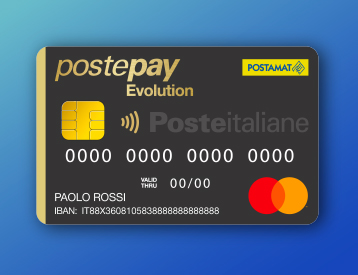
Carta di credito online - BancoPosta
Poste Italiane - Servizi Postali, Finanziari E Assicurativi

Poste Italiane - Servizi postali, finanziari e assicurativi
Poste Italiane - Servizi Postali, Finanziari E Assicurativi

Poste Italiane - Servizi postali, finanziari e assicurativi
Carte Di Credito Poste: Guida Completa E Confronto | TuttoSemplice.com

Carte di Credito Poste: Guida Completa e Confronto | TuttoSemplice.com
Carta Di Credito Oro: Carta Di Credito BancoPosta - Poste Italiane
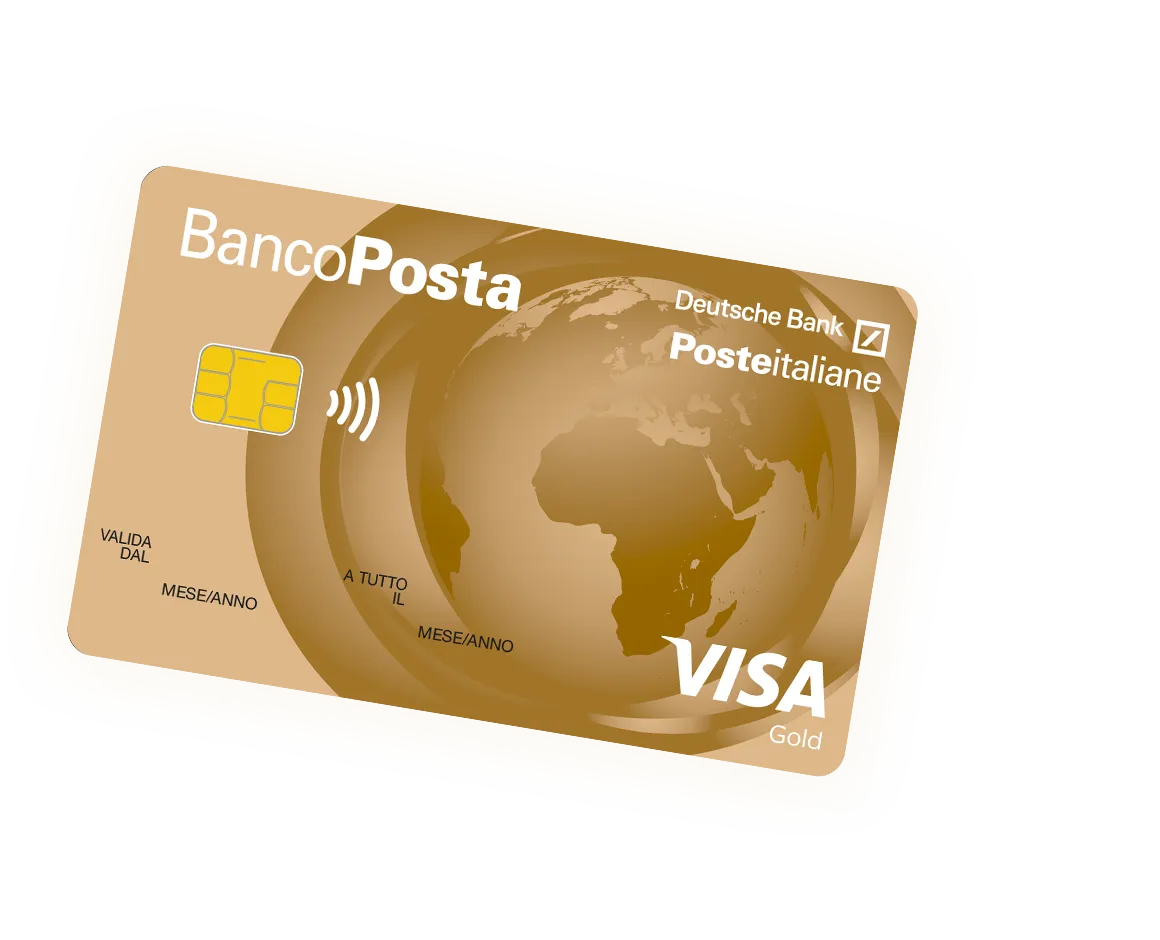
Carta di credito Oro: carta di credito BancoPosta - Poste Italiane