For anyone starting a project—from a college paper to a community history piece—the Boulder library ecosystem offers more than rows of books. By tapping five under‑used services, beginners can sidestep common pitfalls such as endless keyword surfing, missed primary sources, and costly subscription barriers, turning a modest search into a focused, high‑quality inquiry.
Common beginner missteps and how Boulder’s resources correct them
Mistake #1: Treating every search as a one‑stop solution
New researchers often type a broad query into Google and accept the first few hits. The result is a shallow view that overlooks local archives, subscription databases, and curated guides. Boulder’s libraries specialize in slicing that noise into discipline‑specific pathways.
Mistake #2: Ignoring free interlibrary options
Many think “I can’t get that article” when a title isn’t in the local catalog. In reality, the Boulder County Library’s interlibrary loan (ILL) network can fetch items from partner institutions nationwide at no charge.
Mistake #3: Overlooking non‑print data
Historical research, data analysis, and multimedia projects require more than printed books. Without using Boulder’s digital collections, users miss digitized newspapers, GIS layers, and even 3‑D scanning services.
Resource #1 – Boulder Public Library Digital Collections
- What it offers: High‑resolution scans of local photographs, oral histories, and city planning maps dating back to the 1800s.
- Why it matters: Primary visual sources can transform a generic argument into a compelling narrative anchored in place.
- Smart tip: Use the built‑in metadata filters (date, format, keyword) instead of generic Google searches to locate exact items in seconds.
Resource #2 – University of Colorado Boulder Library Research Guides
- What it offers: Subject‑specific “starter packs” curated by faculty librarians, covering everything from environmental science to film studies.
- Why it matters: Guides bundle peer‑reviewed journals, key monographs, and relevant databases, preventing the “too many sources, too little direction” trap.
- Smart tip: Bookmark the guide before you begin a search; the embedded citation tools export directly to Zotero or EndNote.
Resource #3 – Boulder County Library’s Interlibrary Loan (ILL)
- What it offers: Access to over 10,000 partner libraries across the United States, including specialized academic collections.
- Why it matters: When a needed journal article or rare book isn’t locally available, ILL delivers it—often within a week—free of charge.
- Smart tip: Submit the request with a precise citation; vague requests delay delivery and increase the chance of an “unavailable” notice.
Resource #4 – Colorado Historic Newspapers Collection (via Boulder)
- What it offers: Digitized newspapers from 1860‑1970, searchable by headline, location, and even OCR‑verified text.
- Why it matters: Newspaper clippings provide contemporaneous reactions, useful for cultural studies, genealogy, and local business research.
- Smart tip: Combine date ranges with keyword filters to avoid the “all‑year” overload that slows down discovery.
Resource #5 – Boulder Library’s Makerspace and Data Lab
- What it offers: Access to GIS software, 3‑D printers, and data‑visualization workshops—all free for library card holders.
- Why it matters: Translating raw data into maps or models strengthens arguments in fields like urban planning and environmental policy.
- Smart tip: Register for a workshop early; spaces fill quickly, and the hands‑on sessions often include one‑on‑one help from technical staff.
Putting the tools together: A smarter workflow
Begin with a focused research question, then consult the University of Colorado’s research guide to identify core databases. Use the Boulder Public Library’s digital collections for primary visual evidence, and supplement any gaps with ILL requests. For historical context, pull newspaper excerpts from the Colorado Historic Newspapers Collection, and finish by visualizing trends in the Makerspace’s Data Lab. This layered approach eliminates redundant searches, curates credibility, and maximizes the value of each free resource.
By recognizing and correcting the typical beginner missteps, anyone can leverage Boulder’s library network to produce research that is both depth‑rich and efficiently assembled. The five resources outlined here are the most effective entry points for turning a vague curiosity into a well‑documented, locally grounded study.
Maria Grazia CUCINOTTA : Biographie Et Filmographie

Maria Grazia CUCINOTTA : Biographie et filmographie
1,337 Maria Grazia Cucinotta Photos Stock Photos, High-Res Pictures

1,337 Maria Grazia Cucinotta Photos Stock Photos, High-Res Pictures ...
Maria Grazia Cucinotta - Biography, Height & Life Story | Super Stars Bio
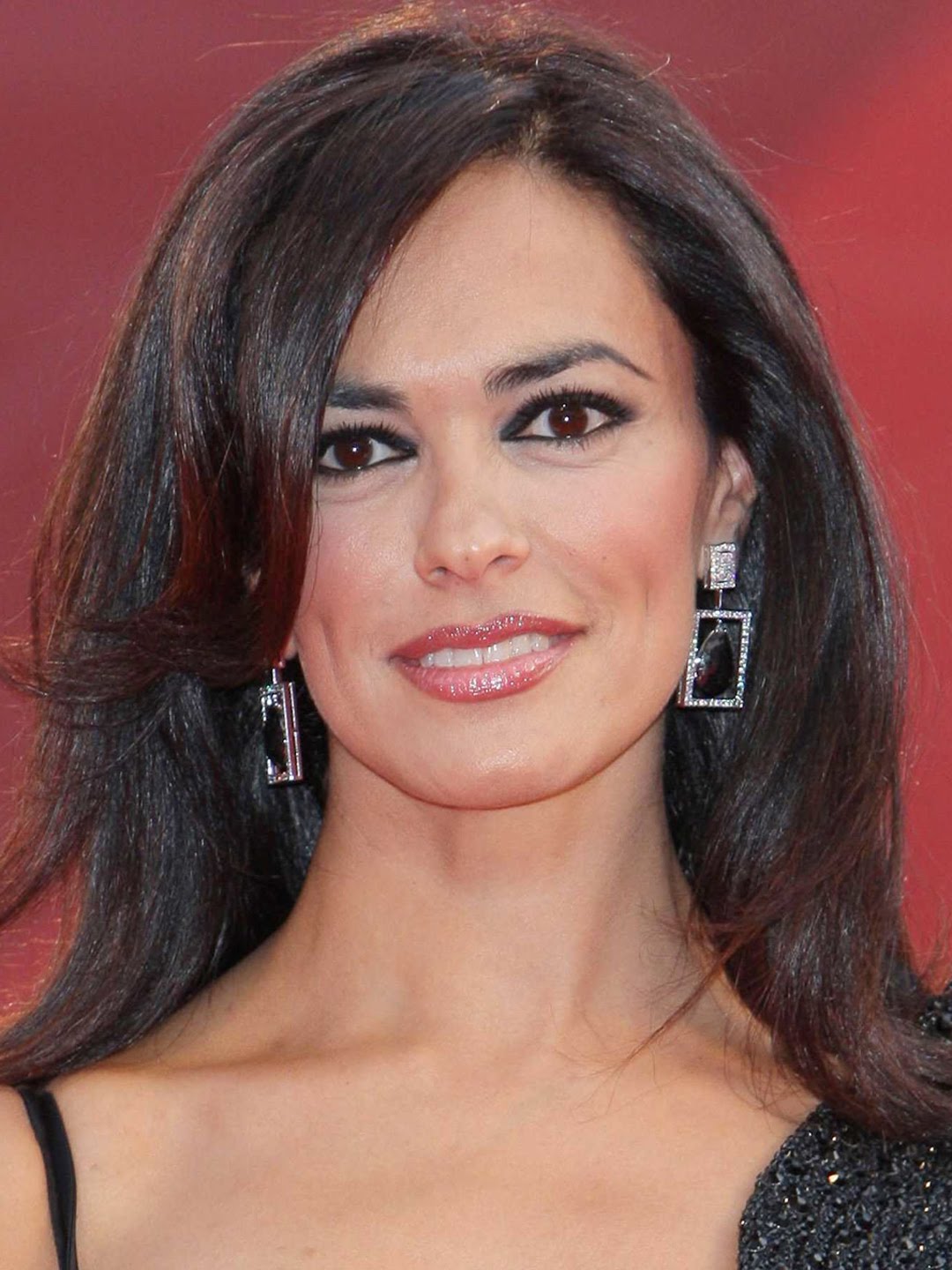
Maria Grazia Cucinotta - Biography, Height & Life Story | Super Stars Bio
MARIA GRAZIA CUCINOTTA At Love Premiere At 81st Venice International

MARIA GRAZIA CUCINOTTA at Love Premiere at 81st Venice International ...
Maria Grazia Cucinotta Wiki _ Maria Grazia Cucinotta Età – GMLYP

Maria Grazia Cucinotta Wiki _ Maria Grazia Cucinotta Età – GMLYP