Transit charts—timely maps of planetary movements across a natal chart—promise insight into daily moods, decision points, and long‑term patterns. For the average person seeking self‑improvement, they offer a structured way to anticipate emotional shifts, but the benefit comes with caveats that demand realistic expectations and disciplined use.
What exactly is a transit chart and how does it function?
A transit chart overlays the current positions of the Sun, Moon, and planets onto an individual’s birth chart. Each planetary aspect (conjunction, square, trine, etc.) is interpreted as a potential trigger for specific themes—confidence, tension, opportunity, or restraint. For example, a Mars‑square‑Sun transit often coincides with impulsive actions, while a Venus‑trine‑Moon can smooth social interactions.
Because the planets move at predictable rates—Mercury retrogrades roughly three times a year, Saturn progresses one degree per month—transit charts can be generated in advance, giving users a calendar of potential influences.
Can transit charts really help with personal growth?
When used as a reflective tool, transit charts can:
- Identify recurring triggers. Noticing that a particular transit repeats yearly lets you prepare coping strategies ahead of time.
- Facilitate goal alignment. A Jupiter‑sextile‑Midheaven may signal a window for career expansion; setting a concrete objective during that period increases the odds of success.
- Boost self‑awareness. By labeling a stressful day as “Mars opposite Moon,” you gain distance from emotional reactivity, which can reduce impulsive decisions.
These advantages are most noticeable for people who already practice some form of introspection—journaling, meditation, or therapy—because the chart adds a symbolic layer rather than replacing inner work.
What are the trade‑offs and common pitfalls?
Transit interpretations are symbolic, not deterministic. Over‑reliance on a single aspect can obscure other factors, such as environment, health, or social context. Common mistakes include:
- Confirmation bias. Readers may highlight only the aspects that fit their narrative, ignoring contradictory evidence.
- Neglecting free will. Believing a transit “forces” a specific outcome can lead to fatalism, discouraging proactive behavior.
- Excessive granularity. Tracking every minor transit (e.g., a tiny Moon‑sextile‑Ceres) can overwhelm daily routines and dilute focus.
In the United States, where personal development culture often emphasizes quick fixes, the subtlety of transits may feel slow or vague, prompting users to abandon the practice prematurely.
How should a daily user integrate transit insights responsibly?
To get measurable benefit without falling into superstition, consider a three‑step routine:
- Preparation. At the start of each week, glance at the major transits (Sun, Moon, Mercury, Venus, Mars, Jupiter, Saturn). Note the ones forming exact aspects to personal planets.
- Application. Choose one concrete action that aligns with the transit’s theme—e.g., schedule a networking call during a Venus‑trine‑Midheaven, or set a short meditation before a Mercury retrograde day.
- Reflection. At day’s end, briefly record whether the predicted theme manifested and how you responded. Over time, patterns emerge that can be compared to the chart.
This “light‑touch” approach respects the chart’s symbolic nature while anchoring it in observable behavior.
What realistic outcomes can everyday users expect?
For most people, the most reliable result is a heightened sense of timing—recognizing when emotions may be amplified and when opportunities feel naturally smoother. Expect:
- Improved emotional regulation on days flagged by challenging aspects.
- Better alignment of tasks with “energetically favorable” windows, leading to modest productivity gains.
- A gradual, not instant, sense of personal narrative coherence as recurring transits reveal long‑term themes.
Ultimate growth still depends on personal effort, supportive habits, and external circumstances. Transit charts are a supplementary lens, not a standalone solution.
Which RADIUS PKI Configuration Is Most Secure? - Food Stamps
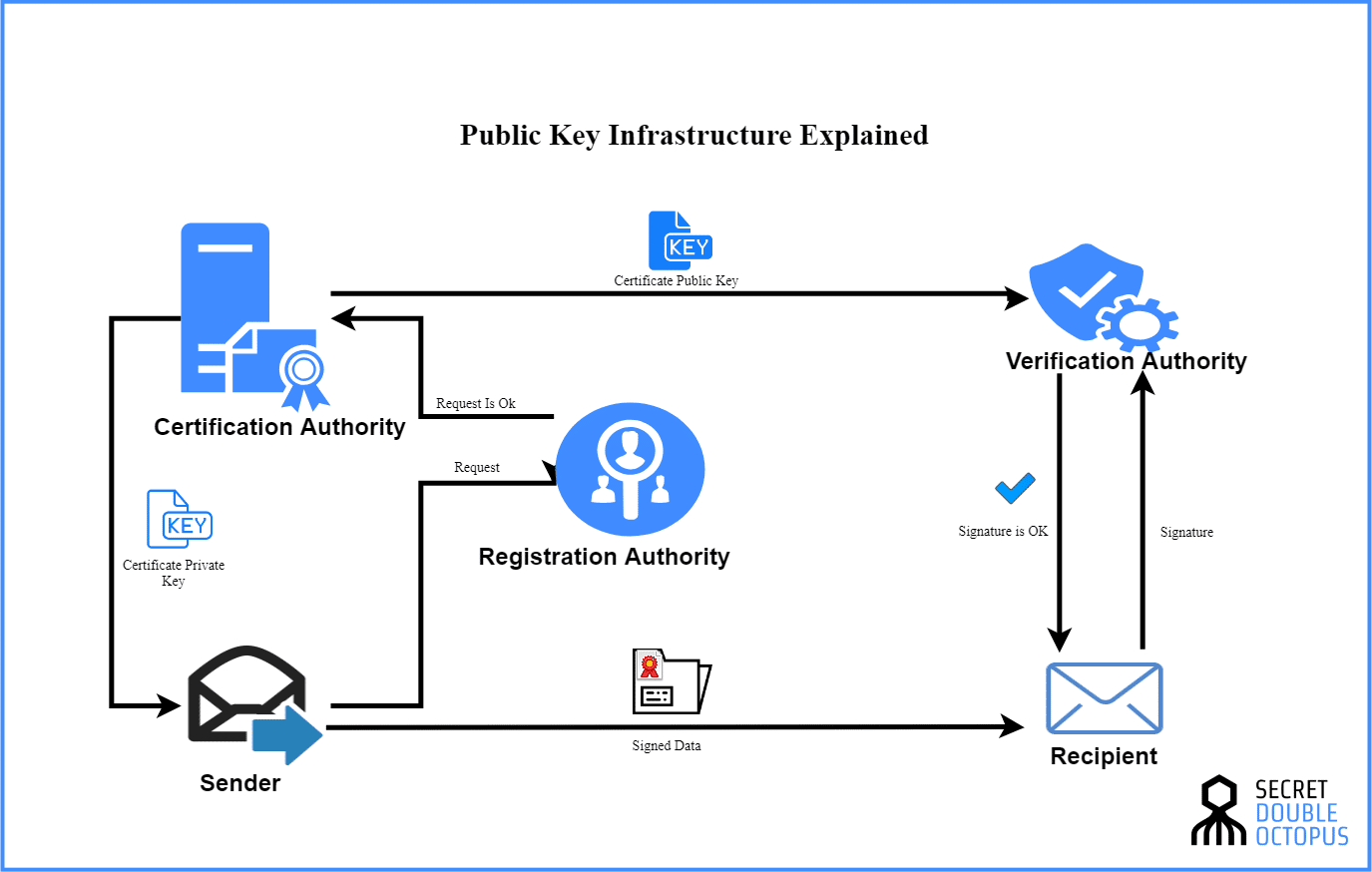
Which RADIUS PKI Configuration is Most Secure? - Food Stamps
Avoid PKI Certificate Management Pitfalls & Follow Best Practices
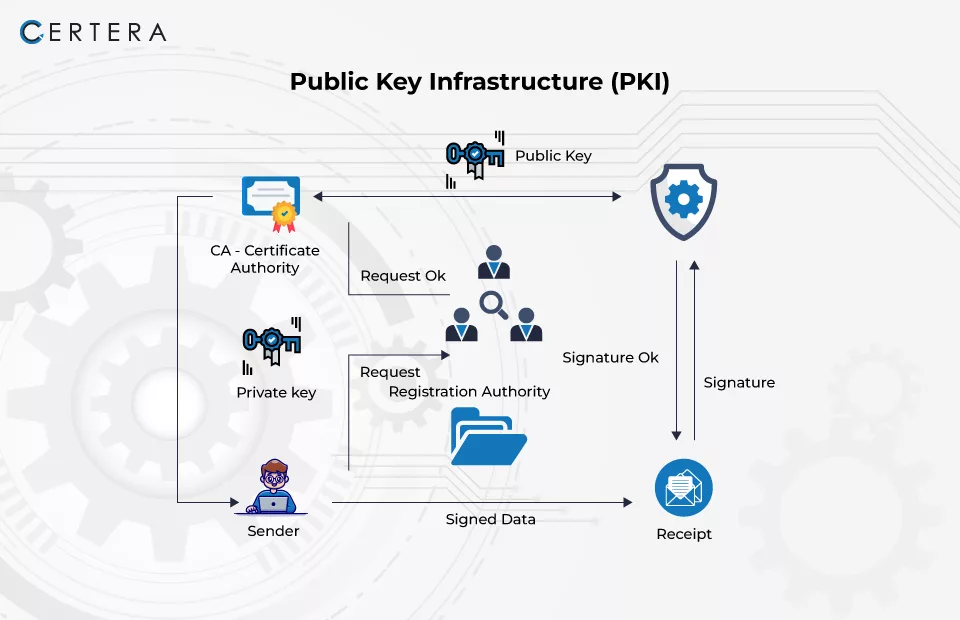
Avoid PKI Certificate Management Pitfalls & Follow Best Practices
Public Key Infrastructure Download Scientific Diagram

Public Key Infrastructure Download Scientific Diagram
What Is Code Signing Within The Public Key Infrastructure (PKI)?
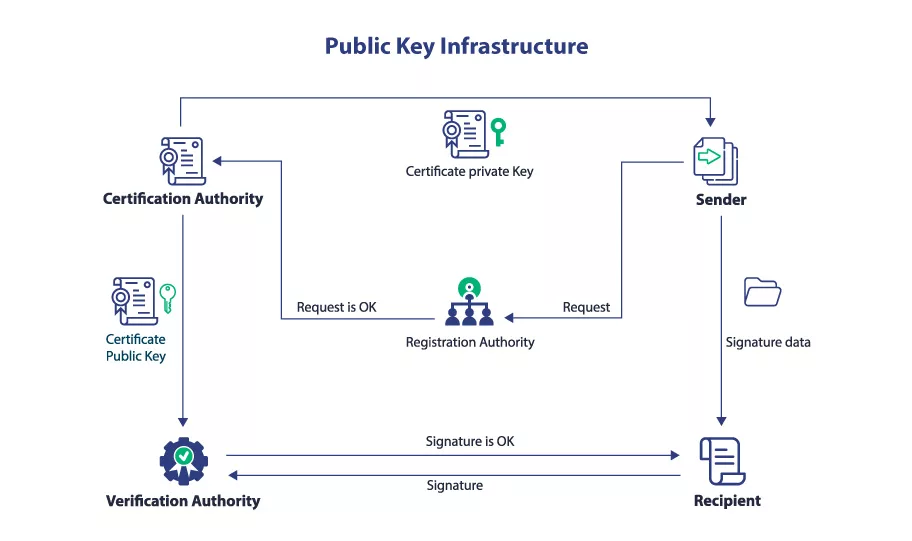
What is Code Signing within the Public Key Infrastructure (PKI)?
Computer Security And PGP: Public Key Infrastructure And Blockchain

Computer Security and PGP: Public Key Infrastructure and Blockchain