Textile producers are increasingly turning to sophisticated coloration technologies to meet rising consumer expectations for vibrant, sustainable, and fast‑to‑market apparel. New dyeing methods, digital printing, and data‑driven color management are reshaping how fabrics are colored, cutting water usage while expanding design flexibility. For manufacturers seeking a competitive edge, understanding these tools is now a strategic priority.
Why precise color control is a market imperative
Today's shoppers judge a garment as quickly as they notice its hue. Color consistency across batches reduces returns, while environmentally friendly dyeing processes satisfy regulatory standards and brand sustainability pledges. The shift from traditional batch dyeing to more targeted techniques also shortens lead times, allowing designers to respond to trend cycles within days instead of weeks.
Core technologies driving the change
Several innovations dominate the current landscape:
- Digital textile printing – Inkjet heads deposit pigments directly onto fabric, enabling unlimited design variations without the need for screens.
- Reactive and pigment dye chemistries – Modern reactive dyes form covalent bonds with cellulose fibers, delivering vivid shades that resist fading; pigment dyes offer lower water consumption for synthetic blends.
- Enzyme‑assisted finishing – Biocatalysts replace harsh chemicals, delivering selective color modifications while minimizing effluent.
- AI‑powered color matching – Machine‑learning models predict how a digital palette will appear on different fibers, reducing trial‑and‑error cycles.
Deciding which method fits your product line
Manufacturers should assess four key criteria before committing to a technology:
- Fabric composition – Natural fibers respond best to reactive dyes, whereas synthetics often benefit from pigment or sublimation processes.
- Production volume – High‑volume runs may still favor conventional batch dyeing for cost efficiency, while low‑run or custom pieces gain from digital printing.
- Sustainability targets – Enzyme treatments and water‑less pigment applications align with carbon‑reduction goals.
- Design complexity – Intricate gradients or photographic prints are only practical through digital methods.
From concept to closet: an example workflow
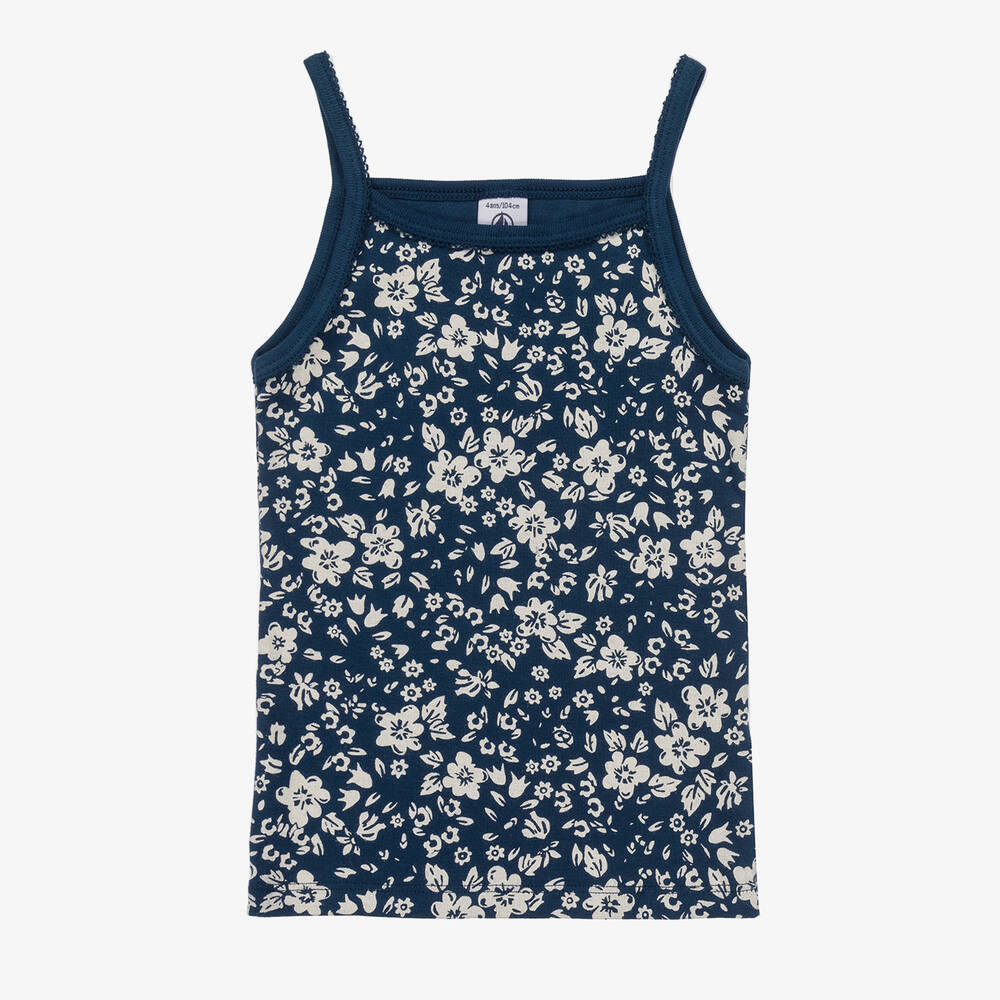
Consider a cotton vest slated for a spring collection. Designers start with a digital mock‑up, which an AI system validates against the fabric's absorbency. The approved artwork is then printed using a high‑resolution inkjet printer, delivering precise hue placement without traditional screens. After printing, the vest undergoes a short‑duration fixation oven cycle to lock colors, followed by a light enzyme wash that removes excess pigment while enhancing hand feel.
How coloration choices reshape supply chains
Adopting digital or enzyme‑based processes reduces the need for large dye vats, cutting both storage space and hazardous waste handling. Faster color approvals shrink the design‑to‑production window, enabling manufacturers to launch collections closer to runway dates. Moreover, transparent color analytics can be shared with retailers, reinforcing brand narratives around quality and sustainability.
Immediate steps to elevate your coloration strategy
- Conduct a baseline audit of current dye usage, water consumption, and waste streams.
- Identify a pilot product line where digital printing can be tested without disrupting core operations.
- Partner with dye chemists or technology providers that offer trial kits and performance data.
- Invest in color‑management software capable of integrating AI predictions with existing ERP systems.
- Train production staff on new equipment safety protocols and maintenance routines.
Future outlook: color as a competitive lever
As consumer demand for on‑trend, responsibly produced apparel intensifies, mastery of coloration technology will distinguish market leaders from laggards. Companies that embed data‑driven color control, reduce environmental impact, and deliver rapid design flexibility will not only improve margins but also deepen loyalty among increasingly eco‑conscious shoppers.
Women's Vests Zip Up Quilted Padded Lightweight Vest For Women In Pure
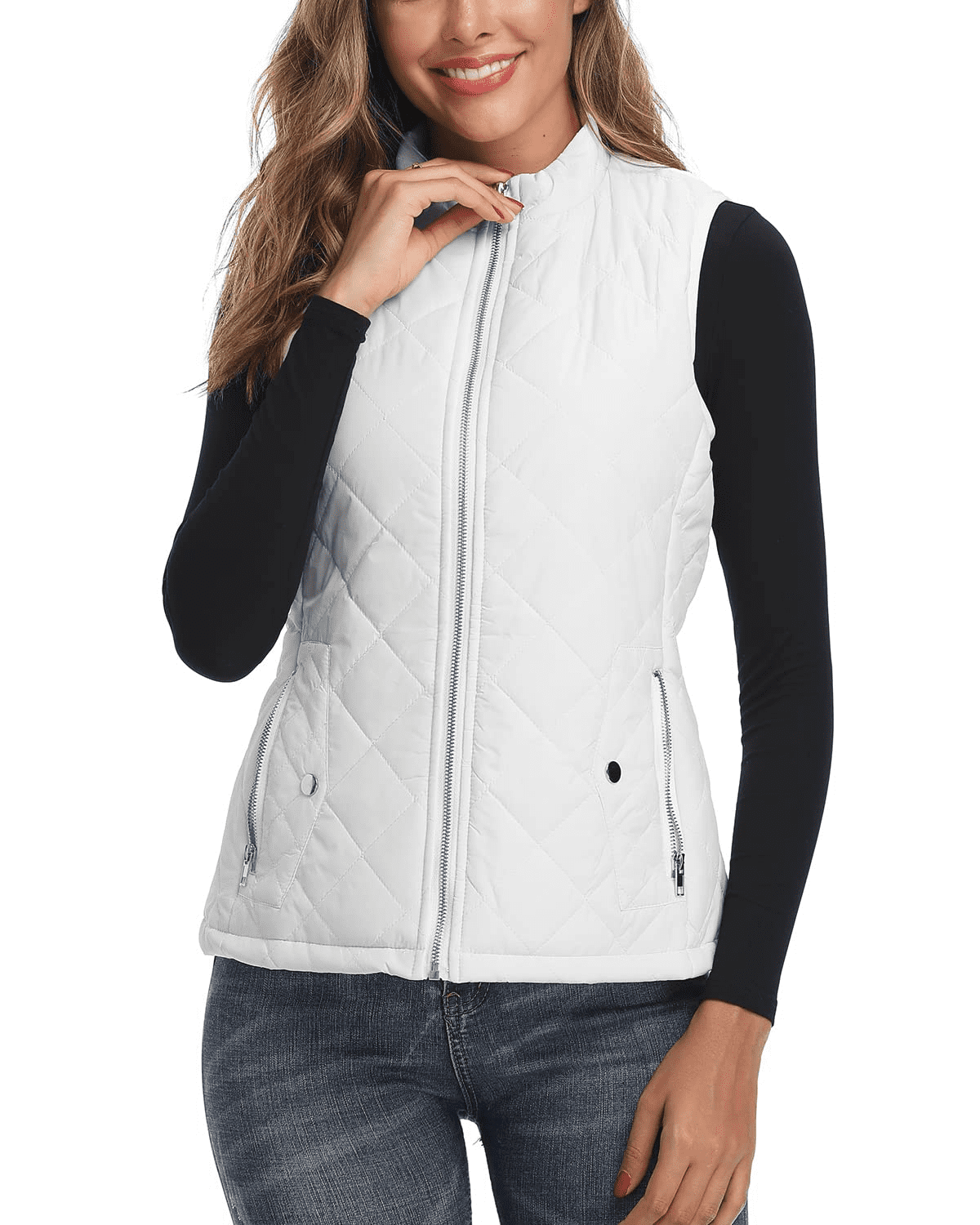
Women's Vests Zip up Quilted Padded Lightweight Vest for Women in Pure ...
GIRLS WESTERN VESTS – Roper Apparel & Footwear

GIRLS WESTERN VESTS – Roper Apparel & Footwear
How To Wear Winter Vests

How To Wear Winter Vests